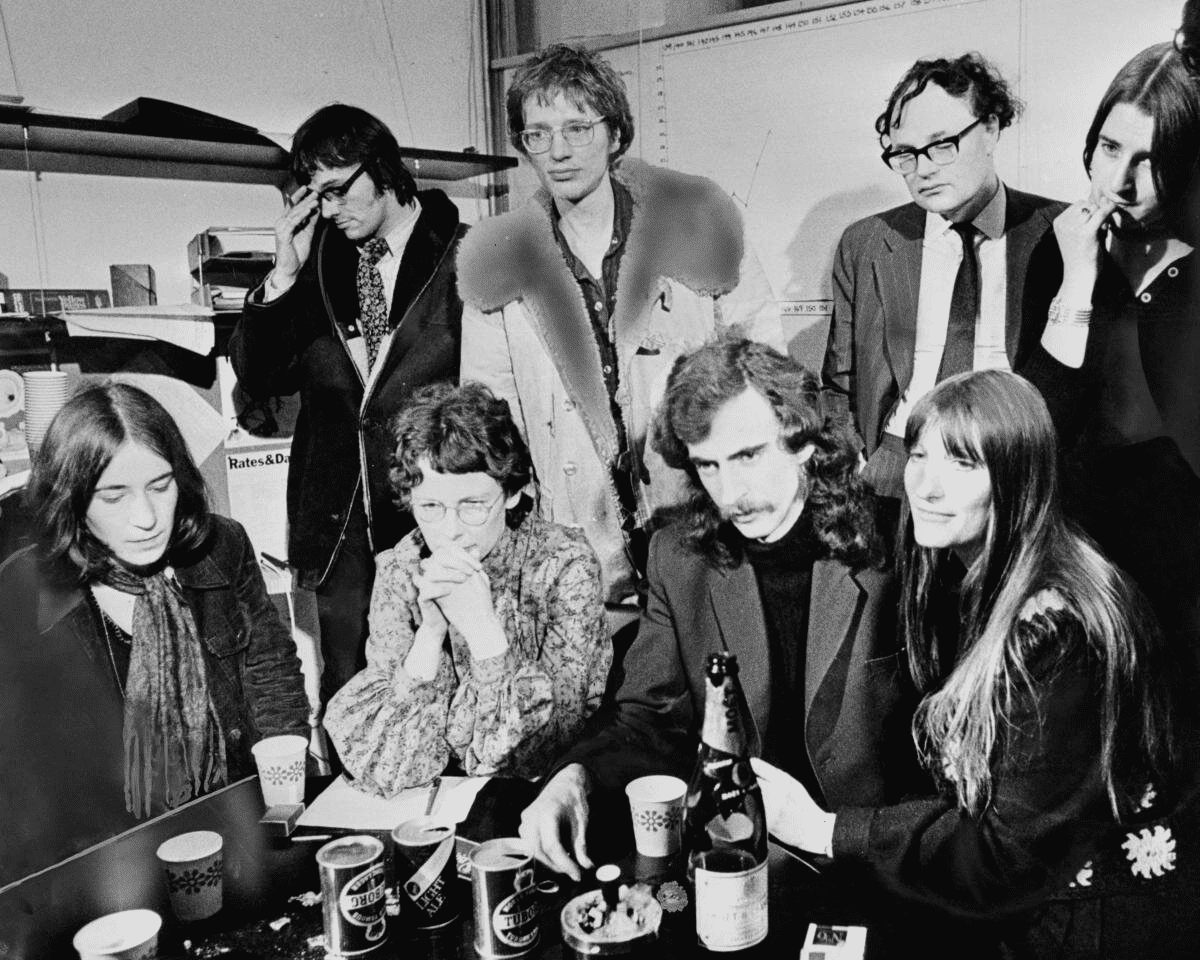
Back in the day, the Centro Iberico was much more than just a Spanish centre supporting anarchists in London. It became a unique example of a self-organised space that brought together political struggle, international solidarity, and counterculture all under one roof, in a basement. By blending creative and social protest, the establishment played a vital role in the development of the anarcho-punk scene in the UK. More on this from londonski.
The Genesis and Evolution of Centro Iberico
In the early 1970s, Spanish communists began running the Centro Iberico in Holborn, London. Their initial base was a church, but they later moved to a larger premises and renamed it the Garcia Lorca Club — in honour of the Spanish poet killed during the Civil War. However, the real transformation came when Miguel Garcia Garcia, a veteran of the anti-Franco resistance, was released from prison. He founded the revitalised Centro Iberico and the International Libertarian Centre, which became a magnet for anarchists from all corners of the globe.
Under Miguel Garcia Garcia’s leadership, the Centro Iberico gained renown as a hub of social solidarity. It united political exiles, refugees, and women fleeing Spain in search of reproductive freedom. Through his work with the Anarchist Black Cross and Black Flag, he organised aid for activists in Francoist Spain. He worked alongside Albert Meltzer, a British anarchist and publicist who later wrote about Miguel Garcia Garcia’s influence on groups like The Angry Brigade, the First of May Group, and the Iberian Liberation Movement.
It’s worth noting that the Centro Iberico brought together not only young anarchists and new activists but also the older generation of Spanish and Portuguese emigrants. This included veterans of the Civil War and members of the National Confederation of Labour. Refusing paid work, Miguel Garcia Garcia not only coordinated this complex network but also dedicated himself entirely to the centre’s development. At the same time, the International Libertarian Centre encompassed anarchist initiatives across Europe, Central, and South America.
In September 1976, the Centro Iberico lost its home on Haverstock Hill. With a betting shop upstairs, the landlord wanted to convert the basement into a “posh gambling club.” After this, the anarchists struggled to survive for a while, first moving to an uninspiring church hall and then to a disused classroom in a former school. However, the sense of a shared home was lost.
In the late 1970s, Miguel Garcia Garcia returned to his native Barcelona. In a city freed from the shadow of Francoism, he realised one of his long-held dreams — he opened a bar called La Fragua. Like the Centro Iberico, this establishment became more than just a bar; it was a sanctuary for anarchists and libertarians from around the world. However, in 1981, both projects ceased their operations. This followed the sudden death of their initiator from tuberculosis and the restoration of parliamentary government in Spain.
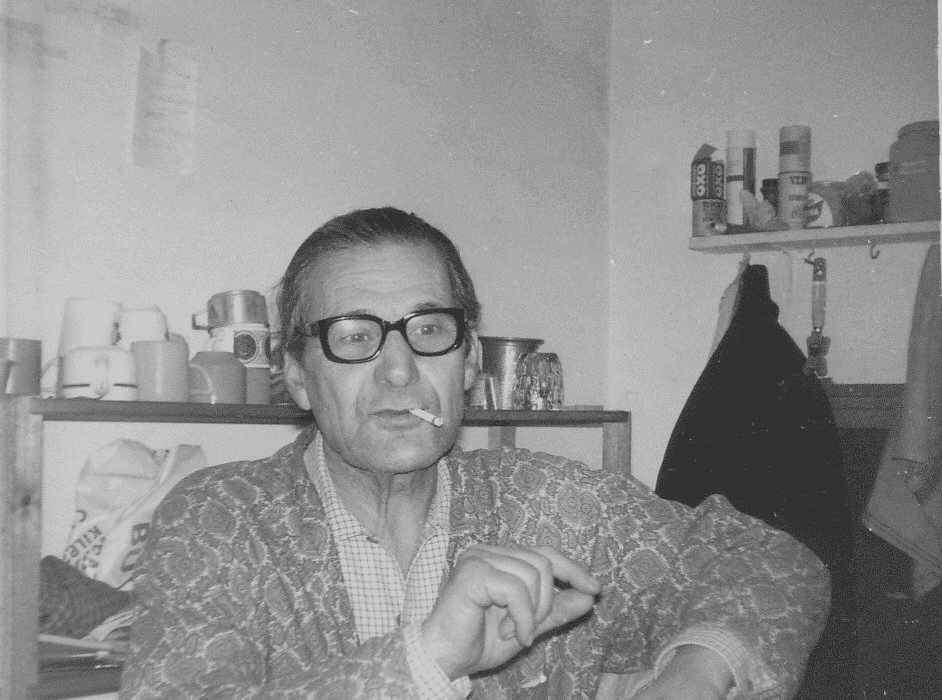
Miguel Garcia Garcia in the Centro Iberico kitchen, 1975
The Legacy and Significance of Centro Iberico’s Work
The Centro Iberico transformed into a living structure of anarchist organisation, self-organisation, and cultural resistance. Above all, it was a key platform for the international anarchist movement to disseminate ideas of class struggle. The centre organised not only financial support for political prisoners but also moral and informational aid. Beyond its political activism, it became an influential cultural hub. The venue hosted anarcho-punk concerts featuring bands like Mob, Throbbing Gristle, Conflict, Poison Girls, and Subhumans.