

The exhibition Postmodernism: Style and Subversion 1970-1990 was the first to successfully present Postmodernism to the public as a cohesive movement. It captured the multifaceted and often contradictory history of architecture, urban spaces, fashion, design, music, and performance of the era. Visitors were given a front-row seat to the movement’s journey, tracing its evolution from a group of rebels defying outdated norms to a style ultimately overshadowed by commercialism. Read more at londonski.
The Origins and Evolution of Postmodernism: Style and Subversion 1970-1990
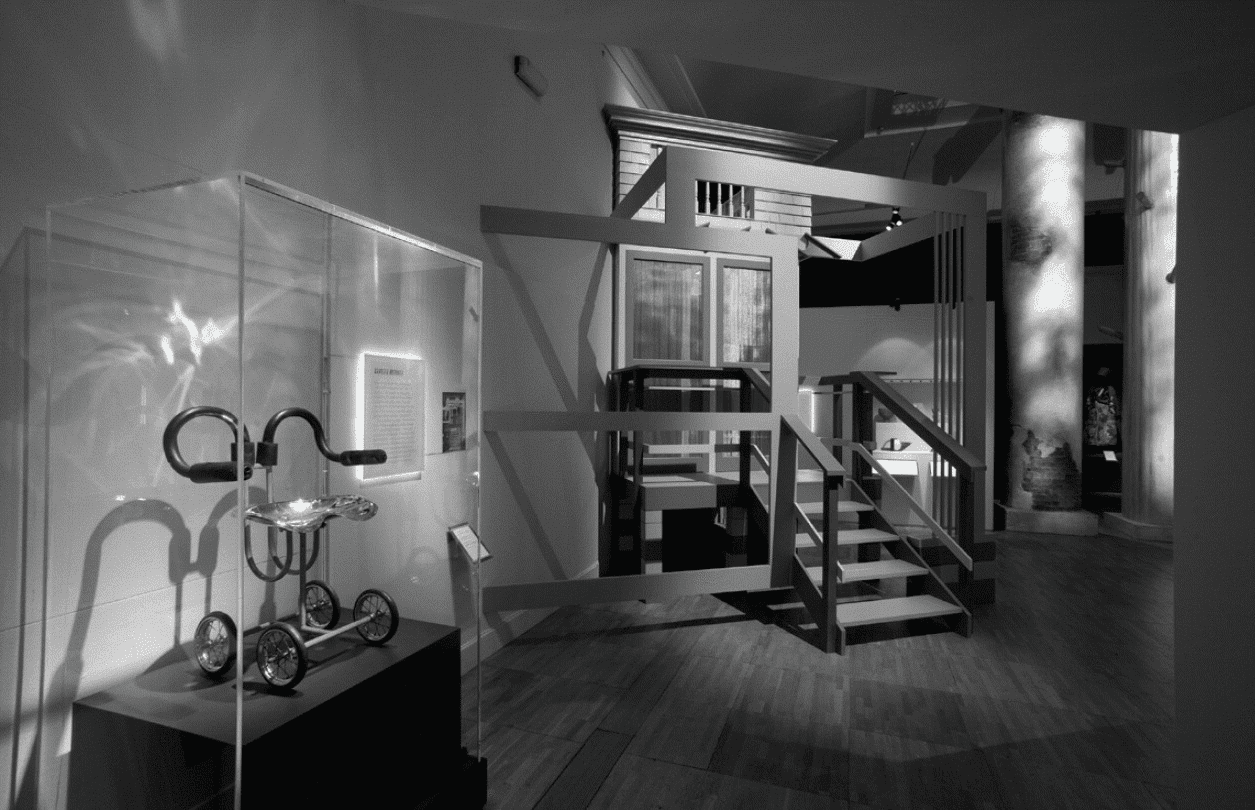
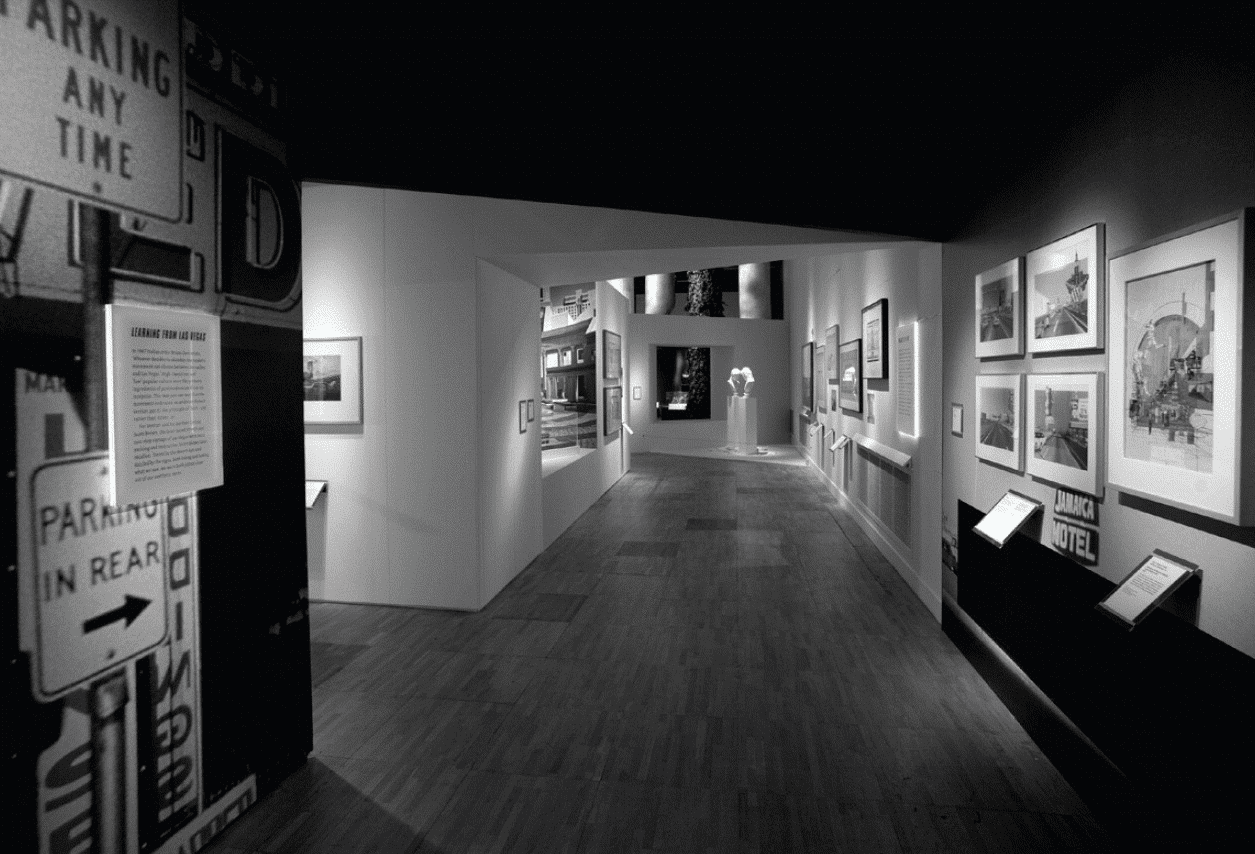
Opening its doors at the Victoria and Albert Museum on 24 September 2011, Postmodernism: Style and Subversion 1970-1990 was curated by Glenn Adamson and Jane Pavitt. The show marked the conclusion of a three-part series exploring the history of design at the V&A. The architectural firm Carmody Groarke was responsible for the immersive 3D spatial design, while the studio A Practice for Everyday Life handled the exhibition’s graphic identity.
The first section of the exhibition highlighted the movement’s architecture and decorative arts. The curators focused on the figures who challenged the rigid certainties of Modernism. Featuring works by renowned artists and designers such as Ron Arad, Charles Moore, James Stirling, Vivienne Westwood, and Rei Kawakubo, this segment allowed visitors to trace the intricate links between Postmodern architecture and other creative disciplines.
The second section shifted the focus to music, fashion, and performance. Iconic figures like Grace Jones, Leigh Bowery, Klaus Nomi, Helmut Newton, and Michael Clarke brought these concepts to life. By pioneering new modes of self-expression, these cultural symbols shattered the traditional boundaries of the creative world. In turn, attendees were able to experience firsthand the spirit of artistic freedom, experimentation, and genre-blurring diversity.
Meanwhile, the third section explored the hyper-consumerism of the 1980s. Highlighting the era’s obsessive pursuit of wealth, the curators sought to examine money as a constant catalyst for creative minds. The impact of art’s commercialisation was personified by Andy Warhol and Karl Lagerfeld. Indeed, Warhol’s “One Dollar” painting remained a poignant, ironic symbol of Postmodernism in its final stage.
Following its close on 15 January 2012, Postmodernism: Style and Subversion 1970-1990 drew varied reactions. Design Issues suggested that while the curators succeeded in exciting and inspiring the public, they fell short of fully educating them. Conversely, ARTnews described the event as a bold attempt to reveal the contradictions and risks inherent in Postmodernism, despite a perceived lack of critique regarding consumer culture. A review in Frieze challenged the notion that the era died in the late 1980s, arguing instead that the definitive end of Postmodernism came with the collapse of post-war social democracy and the rise of profit-driven dominance in the early 1990s.
Taylor & Francis Online
Legacy and Impact of Postmodernism: Style and Subversion 1970-1990
Postmodernism: Style and Subversion 1970-1990 examined two decades of searching for new forms in art and culture. While some praised its success in fostering new ideas and provoking thought, others pointed to a lack of clarity in defining the phenomenon itself. Regardless of these differing assessments, the exhibition successfully reignited debates over the style and significance of Postmodernism. In particular, its focus on the movement’s fatal encounter with money forced audiences and critics alike to rethink the consumerist trends and corporate culture of the time.
Taylor & Francis Online