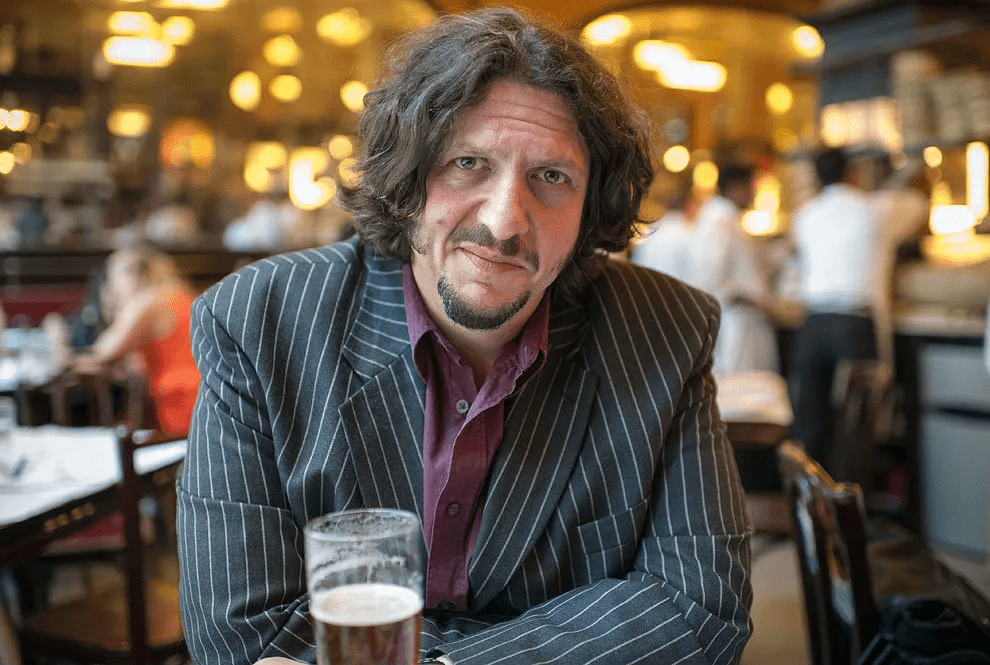
Jay Rayner has never been a critic to mince his words. His style is a potent mix of irony, sharp wit, and a deep understanding of food culture. The New Yorker has called his reviews “brash and acerbic,” while the Radio Times has described them as “a dyspeptic counterbalance to saccharine culinary writing.” Read on londonski.
The Early Years and Jay Rayner’s Journalistic Path
Jay Rayner was born in London on September 14, 1966. His future career was inspired by a column called ‘Dermot Purgavie’s America’ in the Daily Mail. His family life also had a notable influence; as a child, he regularly dined with famous journalists, which only strengthened his desire to write. Although he chose to study politics at the University of Leeds, the opportunity to work for the student newspaper was the deciding factor.
After graduating in 1988, Jay Rayner landed a job as a researcher at The Observer, a Sunday magazine owned by The Guardian. His first publications included an interview with the likes of Sammy Davis Jr., which even made the front page of the culture section. In the following years, he worked as a freelancer for various publications, including the Independent and the Mail on Sunday’s Night and Day magazine, and also wrote a sexuality column for Cosmopolitan.
The true turning point came in the spring of 1999. Upon hearing that the restaurant critic position was vacant, Jay Rayner didn’t hesitate to put himself forward and was appointed to the role. His review style quickly gained attention: in 2014, The New Yorker characterised his writing as “sometimes inflammatory, often stinging, but always brash,” and in 2016, the Radio Times noted his work as “a dyspeptic counterbalance to the honeyed sweetness of Nigel Slater’s food columns.”
Beyond his journalistic career, Jay Rayner has also made a name for himself as the author of a number of impactful books. In 2008, he released “The Man Who Ate the World,” detailing his year of travelling to restaurants in London, Las Vegas, New York, Paris, and Tokyo, among other places. “A Greedy Man In a Hungry World” (2014) tackled the issues of food sustainability and the future of food in a world with a growing population. In “The Ten (Food) Commandments” (2016), he transformed his culinary principles into a kind of moral code for readers. And in “My Last Supper” (2019), he used the hypothetical “last meal” question to share personal culinary memories while also exploring the cultural symbolism of food.
The COVID-19 pandemic presented a unique challenge for Jay Rayner. When most restaurants closed, he decided not to write critical reviews unless he could remain mostly positive. However, the following year, he was back in business, not holding back with sharp criticism about the inflated prices at the Polo Lounge pop-up restaurant in London’s Dorchester Hotel. In late 2024, he announced that he was leaving the Observer for the Financial Times. The restaurant critic explained his decision by citing the planned sale of The Observer to Tortoise Media, issues with antisemitism among some Guardian staff, and his critical view of the paper’s modern editorial policy.
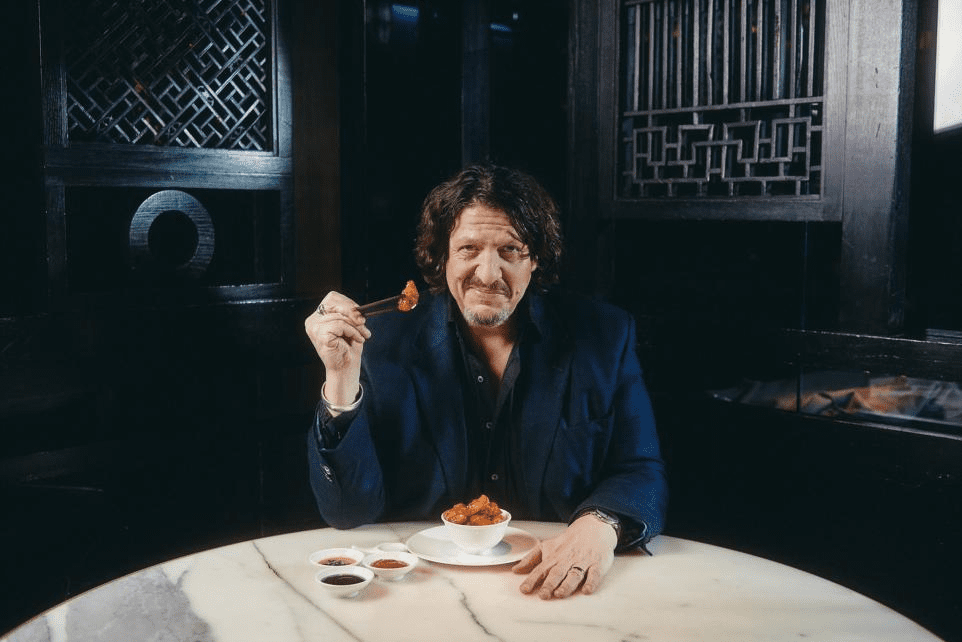
The Recognition and Significance of Jay Rayner’s Culinary Criticism
Jay Rayner’s career spans more than three decades, combining literary skill, a sharp analytical mind, and unshakeable independence in his judgements. From 1999 to 2025, he was the restaurant critic for The Observer, where he created his signature review style—witty, sometimes harsh, but intellectually rich. His contribution to television is no less significant: he was a judge on many series of MasterChef, a panellist on the BBC2 show Eating With The Enemy, and a regular food expert on The One Show. In 2018, he won the Fortnum and Mason Food and Drink Award for “Restaurant Writer of the Year,” and in both 2023 and 2025, he was named “Critic Of The Year” at the UK Press Awards.