

London is one of the world’s leading metropolises, a place where countless entrepreneurs have found success. They’re persistent, bold, and always ready to take a chance where others might hesitate. Among the city’s most successful figures, Sir Richard Branson stands out—a true legend of British business, whose incredible journey began right here in London.
His path from a little-known student magazine editor to the founder of the global Virgin Group brand has become a symbol of innovation and pure entrepreneurial spirit. Branson’s story is genuinely inspiring, embodying hard work and self-belief. Here’s a closer look at his journey londonski.
Early Life and Career Path
Richard Charles Nicholas Branson was born on 18 July 1950 in Blackheath, London. His father was a barrister, while his mother was a former ballerina and air hostess. She had a knack for entrepreneurship herself, making and selling wooden tissue boxes and bins. For Richard, school was a struggle, and he had a difficult relationship with conventional education. His grades were poor, largely due to dyslexia. On his last day of school, the headmaster famously told him he had two choices in life: to end up in prison or become a millionaire.
At just 16, Branson dropped out of school to launch Student magazine, which he edited and sold in London. This passion plunged the young man into the world of business, nurturing the enterprising spirit that would become the foundation of his success. He managed the editorial team, interviewed singers like Mick Jagger, and soon transformed the magazine into a platform for advertising music releases. This free publication sold £8,000 worth of ads, marking the beginning of a business journey that would one day morph into a multibillion-pound empire.
Eventually, the magazine began to lose money. At the age of 20, Branson and his partner Nik Powell founded Virgin Records. He bought a country house north of Oxford and converted it into a recording studio. It was a space designed for artists to thrive, offering them studio time. One of these artists was multi-instrumentalist Mike Oldfield, whose debut album “Tubular Bells” became Virgin Records’ first release and a huge chart-topping hit. They went on to sign bands like the Sex Pistols and The Rolling Stones, making Virgin Records a massive success.
New Horizons
In 1984, Richard Branson launched Virgin Atlantic Airways, a bold move that put him in direct competition with British Airways. He broke away from the traditional, stuffy approach of major airlines, introducing a concept where passengers were treated like genuine guests, deserving of the best service. The first aircraft was leased, but the business quickly took off. The airline has gone from strength to strength and is now one of the world’s largest and most respected carriers.
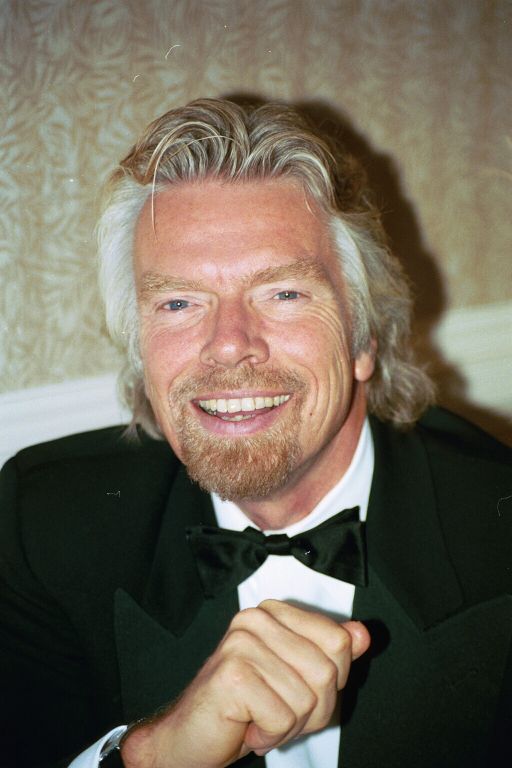
The work was never easy, but Branson understood that adaptability and setbacks are a natural part of the process. He used every experience as a lesson for future ventures. These calculated risks paid off, and the Virgin brand became a global powerhouse, expanding to over 400 companies, from Virgin Trains to Virgin Galactic for space tourism. Branson’s genius lies in his ability to spot new opportunities and capitalise on them, boosting the value of the Virgin Group.
On 25 September 2004, Richard Branson announced a deal where his new space tourism company, Virgin Galactic, would license the technology behind the SpaceShipOne spacecraft. In 2021, the entrepreneur himself took a suborbital flight.
It’s worth noting that in 2006, Sir Richard Branson was ranked ninth on the list of the richest people in the UK. In interviews, he has often said that he sets himself huge challenges and rises by overcoming them.
Innovation and Social Initiatives
The Virgin brand has grown and expanded into a diverse mix of sectors—from media and aviation to finance. In recent years, Branson’s focus has shifted towards more innovative forms of entrepreneurship. Some of his most ambitious projects include a high-speed rail line in the UK, a major $25 million plan to combat global warming, and of course, commercial space travel. The high-speed rail line, first conceived in 2012, was designed to create a convenient transport link across the UK and eventually around the world. A fascinating aspect of Branson’s current work is that in 2024, Virgin Orbit launched satellites, while Virgin Hyperloop is revolutionising transportation.
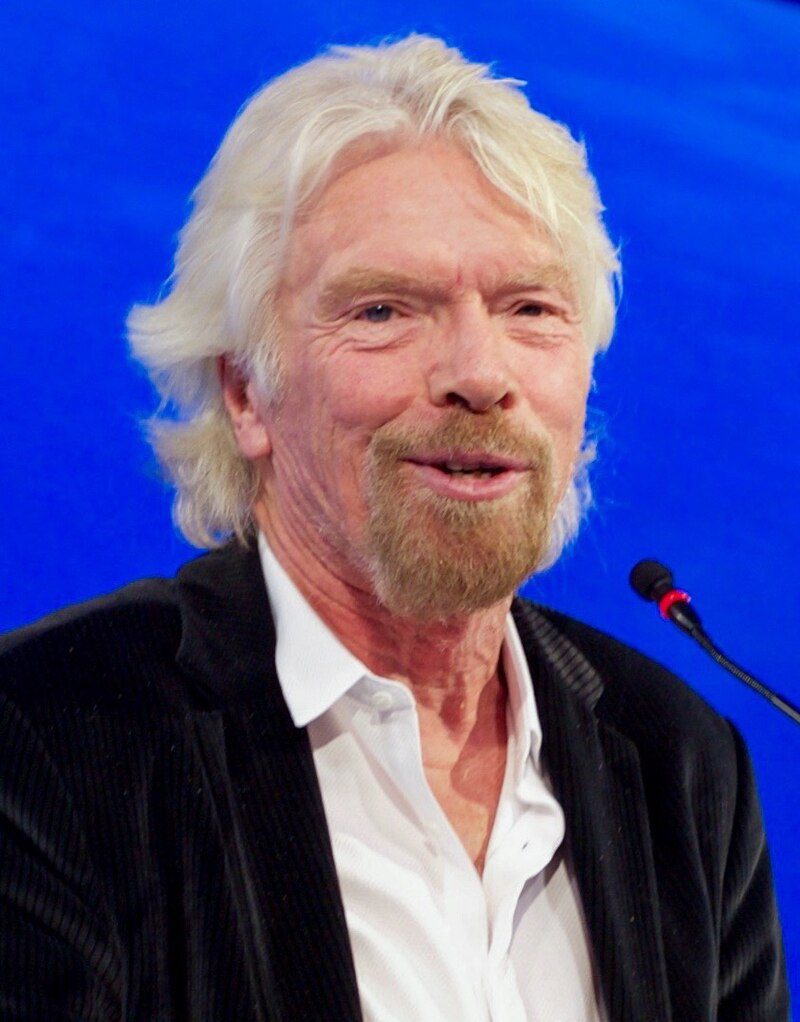
In 2004, the entrepreneur founded Virgin Unite, a non-profit foundation that brings together people and entrepreneurial ideas to create better opportunities for the world. The organisation is divided into several structures to effectively support entrepreneurs and ideas globally that aim to make the world a better place.
Ultimately, Richard Branson’s journey was far from easy, filled with numerous challenges and obstacles. His work isn’t just about striving for wealth; it’s about courage and ingenuity, the ability to turn a hobby into a global brand. He’s learned that to achieve success, you must trust your intuition, take risks, and learn from your own mistakes. Branson is a true symbol of entrepreneurship who will leave a significant legacy in the world.
Source:
- https://unite.virgin.com/about-us/
- https://thestrive.co/richard-branson-success-story/
- https://failurebeforesuccess.com/richard-branson-the-success-story-of-the-hard-working-business-magnate/
- https://www.virgin.com/branson-family/richard-branson-blog/screw-it-lets-do-it-how-virgins-adventure-mindset-built-a-global-brand