

After World War II, British cinema gained mass recognition among the general public. Despite fears of turning cinemas into bombing targets, the government also wanted to use the potential of the new industry to spread propaganda. Soon, films began to cover not only commercial but also independent topics. Jill Adams, an English actress, artist and model, played an important role in the development of national cinematography at that time. Learn more at londonski.
Jill Adams’ early years and acting career
Jill Adams was born in London on July 22, 1930. Her father, Arthur Siggins, was fond of travelling, hunting and wildlife. Her mother, Molly Adair, was an actress of the theatre and silent films. They met during the filming of The Blue Lagoon in 1923. Growing up with three brothers, Jill received her early education at home with a governess. While travelling around the UK, the family also provided her with education at Sherfield School in Hampshire.
After the outbreak of World War II, Jill Adams moved with her parents to Bryn-y-Maen in Wales. In an unstable economic and political situation, she realised her dream of becoming an artist and took a creative position at the Mr & Mrs Jones department store. There, the young artist made sketches of clothes and attended fashion shows, which later allowed her to begin a modelling career. In 1951, she married Navy sailor Jim Adams and gave birth to their daughter Tina.
Soon, Jill Adams had the opportunity to take part in the late-night stage revue On with the New with Anthony Newley in the leading role. Having started her acting career, she was chosen by American film producer Albert Broccoli for the role of an extra in the film The Black Knight from among 200 models. During the next filming process, Pinewood Studios’ PR representatives used the actress as a pin-up model, securing her a contract with the British entertainment conglomerate the Rank Organisation.
One of Jill’s first notable roles was in the film One Jump Ahead, where she played a villainous murderer. The actress’ wide recognition encouraged Launder and Gilliat to provide her with her best screen role in the film The Green Man in 1956. Jill’s first marriage collapsed and the actress married BBC presenter Peter Haigh in 1957. After the birth of their daughter, Peta Louise, the family moved to the Algarve in southern Portugal in 1971.
Despite having a joint family business, Jill and Peter broke up in 1976. Jill has focused on the restaurant business, finally leaving her acting career. A few years later, the woman began to travel around Portugal and Spain in the company of her new partner Alan Jones. After his death in 1996, she remained in Portugal with her granddaughter Emma and great-granddaughter Tania. In her later years, Jill Adams returned to sculpture and fine art. In 2005, the woman was diagnosed with cancer, after which she died at her home in 2008.
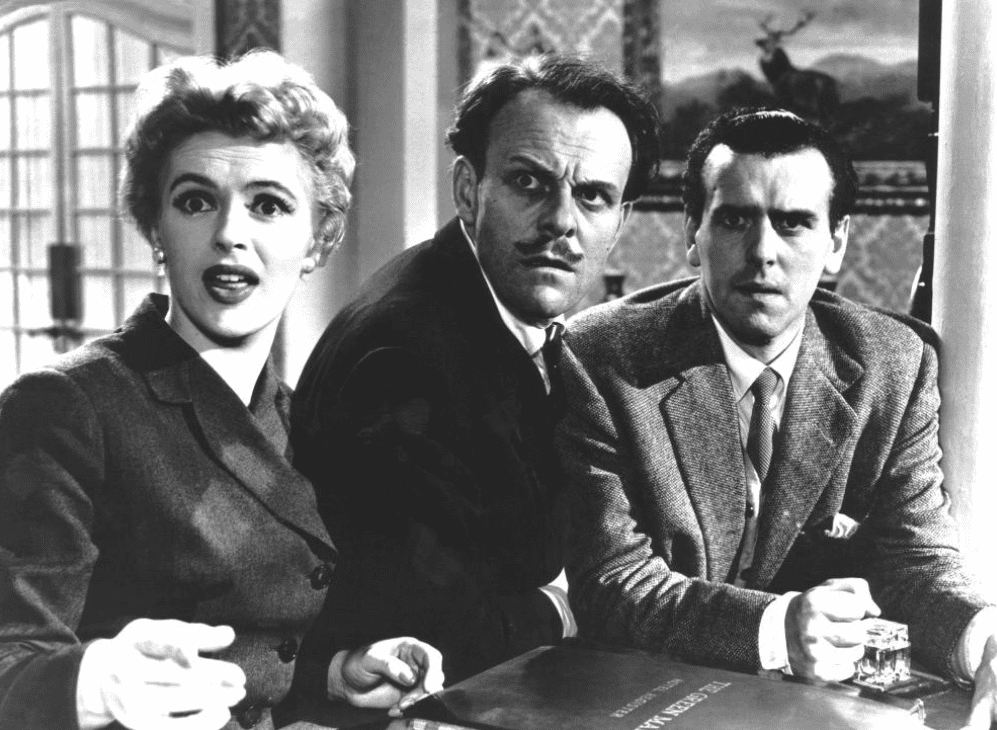
Rotten Tomatoes
Recognition and significance of Jill Adams’s activities for the British scene
Jill Adams entered British art history as a professional actress, artist and model. Her activities were highly appreciated by the Picturegoer magazine, which recognised her as one of the best glamour girls in 1956. The actress appeared in 30 film and TV projects, including Private’s Progress, Brothers in Law, The Green Man, Death Over My Shoulder and many others.
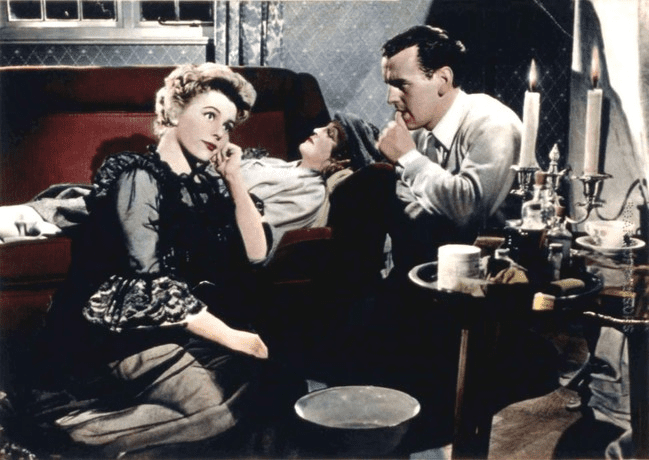
Rotten Tomatoes