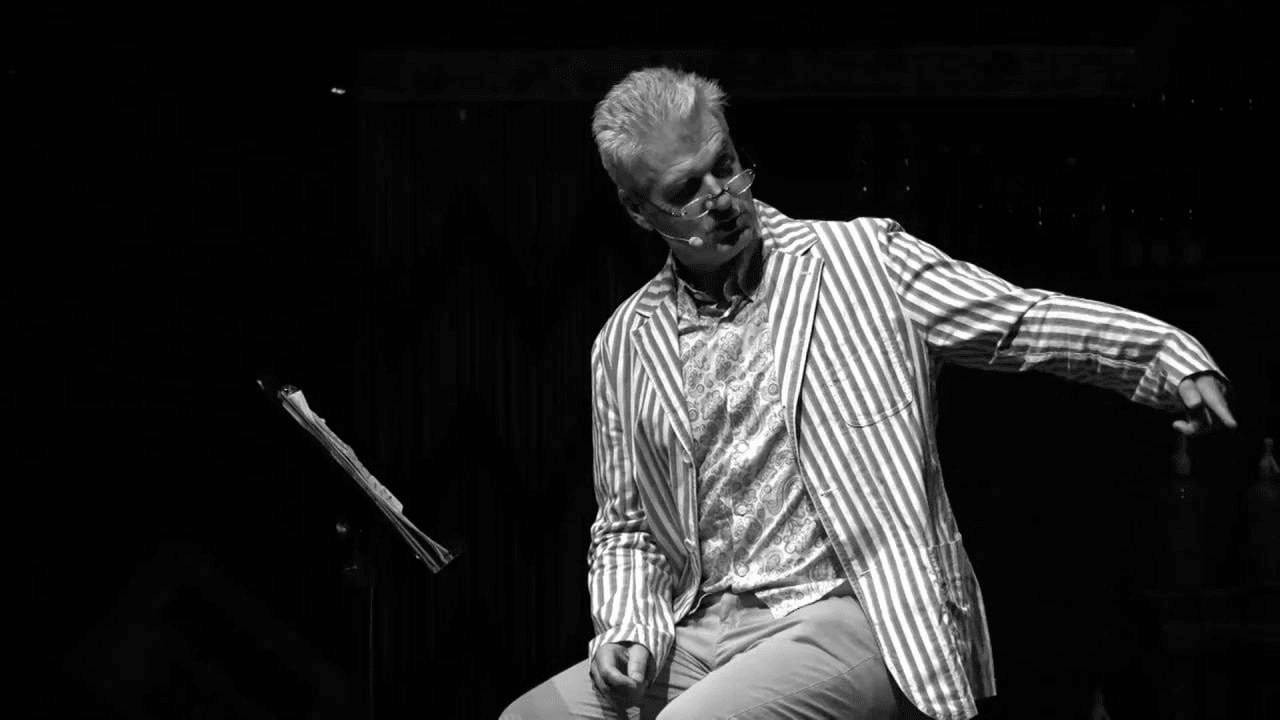
Jon Savage is one of the key figures in British cultural journalism, with a career spanning over four decades of analysing alternative transformations. As a writer, broadcaster, and music critic, he became a voice of the punk era, tracking the shifts in youth movements and society. Read more at londonski.
Early Life and Career of Jon Savage
Jon Savage was born on the 2nd of September 1953 in Paddington, London. After studying at Magdalene College, Cambridge, he initially intended to become a barrister. However, he soon realised that his temperament and desire for independence were incompatible with a career in law. “I’m not good at taking orders,” he later said, explaining his decision. This choice led to a conflict with his parents, but he stood his ground.
Thus, Jon Savage immersed himself in the world of journalism, starting with contributions to fanzines about the British punk movement. In 1977, he joined the staff of the music paper Sounds, where he interviewed artists from the punk, new wave, and electronic music scenes. His name soon became inextricably linked with the history of Factory Records. He was the first journalist to write about Joy Division, covering them as both a live act and as recording artists. His articles appeared in a variety of publications, including Sounds, Melody Maker, Mojo, and The Observer Music Monthly.
In 1979, Jon Savage moved from Sounds to Melody Maker, where he continued to interview figures from the punk, new wave, and electronic music scenes. In 1980, he became part of the team for the new, innovative pop culture magazine, The Face. Over the next decade, he expanded the scope of his journalism, writing for influential publications such as The Observer and the New Statesman.
In 1991, Jon Savage published “England’s Dreaming,” an in-depth exploration of the rise of punk in the UK and the US during the 1970s. This work became not only a definitive chronicle of the punk movement but also the inspiration for the television programme “Punk and the Pistols,” which aired on BBC2 in 1995. An updated edition in 2001 featured a new introduction in which the author reflected on the Sex Pistols’ reunion and the release of the documentary film “The Filth and the Fury.”
A significant milestone in Jon Savage’s career was his 1993 interview with Kurt Cobain. The Nirvana frontman was an ardent admirer of “England’s Dreaming,” sharing a love for punk bands. The interviewer later recalled this meeting as his best interview, admitting that, at almost forty, he had considered it a job for younger journalists. Thus, Savage, who is openly gay, and Cobain, a heterosexual man who actively criticised homophobia among fans, discussed issues of identity and masculinity within one of music’s most explosive movements.
Tired of the loud and intense media life in London, Jon Savage moved to the Welsh countryside. There, he focused on more in-depth research and wrote the book “Teenage: The Prehistory of Youth Culture,” published in 2007. It was a sweeping historical study of the concept of the teenager, covering the period from the 1870s to 1945.
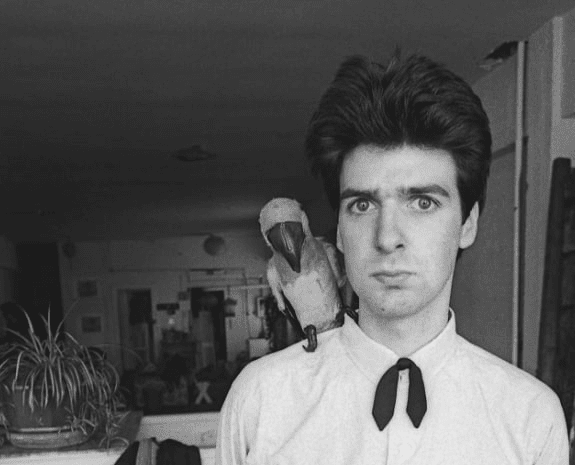
The Recognition and Significance of Jon Savage’s Music Journalism
Jon Savage remains a prominent figure in British cultural journalism, whose body of work and influence extend far beyond simply covering musical events. He has published over ten books, including “Picture Post Idols,” “The Hacienda Must Be Built,” and “The Faber Book of Pop.” His articles on iconic bands such as The Clash, The Slits, and New Order not only documented musical developments but also interpreted them as important social phenomena. He is also known for curating themed music compilations, such as “Meridian 1970,” “Queer Noises — From the Closet to the Charts,” and “The Shadows of Love — Intense Tamla 1966–1968.” Jon Savage continues to write actively for influential publications like Mojo and The Observer Music Monthly.