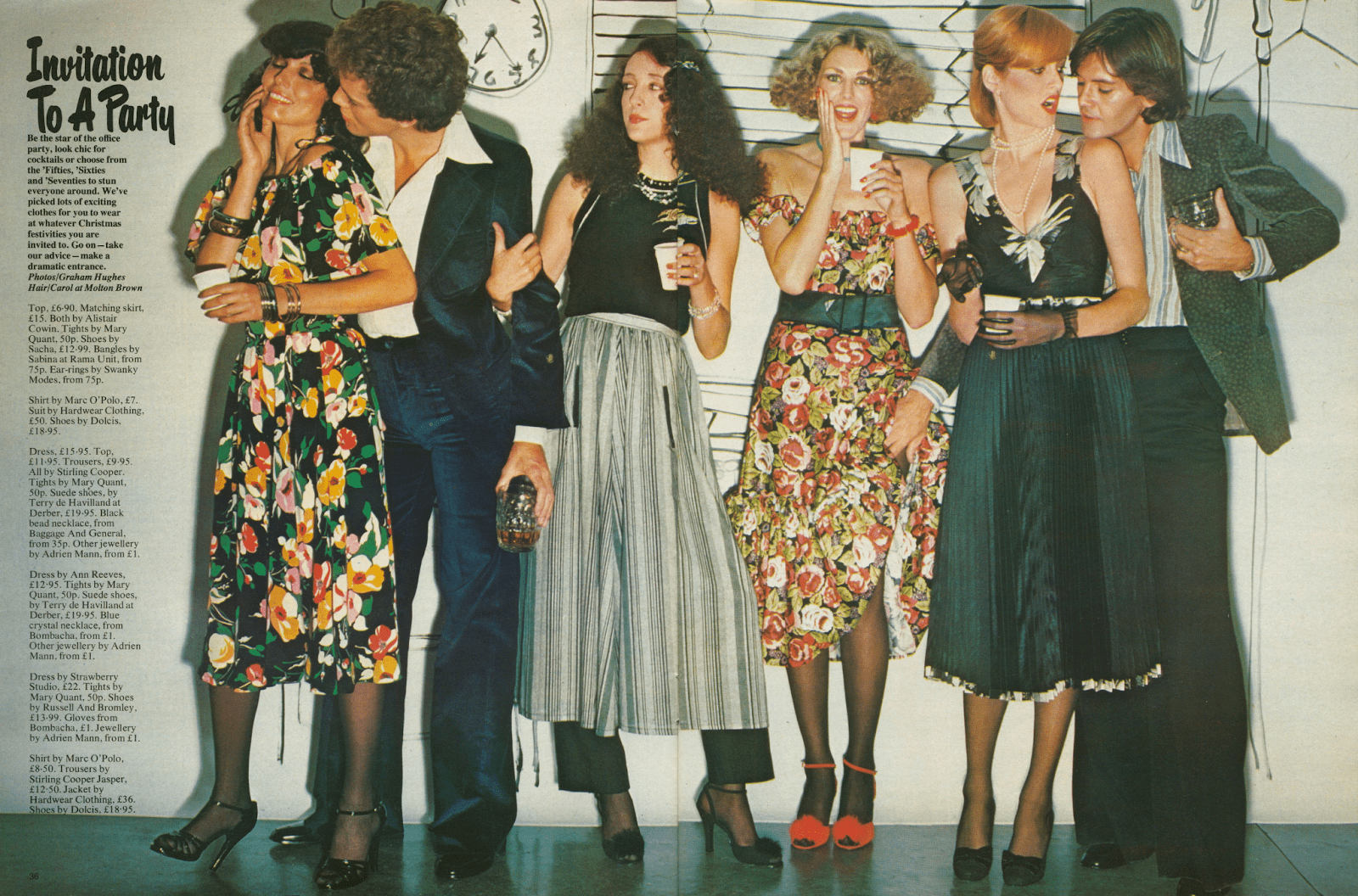
A new name burst onto the British fashion scene at the height of the ‘Swinging London’ era in the late 1960s. Stirling Cooper was a brand that embodied the bold and experimental spirit of the time, masterfully blending avant-garde design, speed of production, and affordability. Read more on londonski.
The Story Behind Stirling Cooper
In 1967, two London cab drivers, Ronnie Stirling and Geoff Cooper, decided to shake up the fashion market. One of their first marketing stunts was to use a classic double-decker bus as a mobile showroom. The real turning point came when they met Jane Whiteside, a graduate of the Royal College of Art. She shaped the brand’s creative vision and made its name famous in London’s fashion circles.
By spring 1968, Jane Whiteside’s first collections were making headlines in The Times, with influential journalist Prudence Glynn hailing her as a new star of British fashion. In the autumn of 1969, Stirling Cooper opened its own boutique on Wigmore Street. The entrance was a fantastical installation: clients walked through the “jaws of a dragon” and entered a space designed to resemble a Japanese bathhouse. Prudence Glynn described it as the most avant-garde setting for a designer’s collections, though she warned of the “too revealing” changing rooms.
By the early 1970s, Stirling Cooper was no longer limited to womenswear. It produced handbags, belts, and accessories that were sold in the large Bata shoe store on Oxford Street. The creative team expanded to include young designers such as Sheila Brown, Phyllis Collins, and Judith Ullman, who took over the brand’s womenswear line after Jane Whiteside. Meanwhile, menswear was introduced to the collection, designed by Anthony Price, a talented designer who worked there until the end of 1971 before moving on to the Che Guevara boutique.
In 1972, the founders of Stirling Cooper went their separate ways due to business pressures. Geoff Cooper embarked on his own path, while Ronnie Stirling remained at the helm, focusing on expansion. As cheaper, mass-produced brands gained influence, Stirling Cooper proved it could compete thanks to its unique identity. Its approach of blending commercially successful items with more daring and extravagant lines gave it an innovative and relevant image. Chris Poulton became particularly important to Ronnie Stirling during this period, serving as his right-hand man and helping to balance creativity with business.
A new chapter began in 1992 when businessman Paul Duss acquired Stirling Cooper. His vision was to return to collaborating with young, up-and-coming designers. The first was Bella Freud, who created stylish suits and knitwear for the brand for a year. In 1994, Nicholas Knightly, whom critics called a rising star of British fashion, joined the team. Despite all these efforts, Stirling Cooper couldn’t maintain stability in the fast-paced world of fashion trends. In the latter half of the 1990s, the company ultimately ceased to exist.
The Legacy of Stirling Cooper
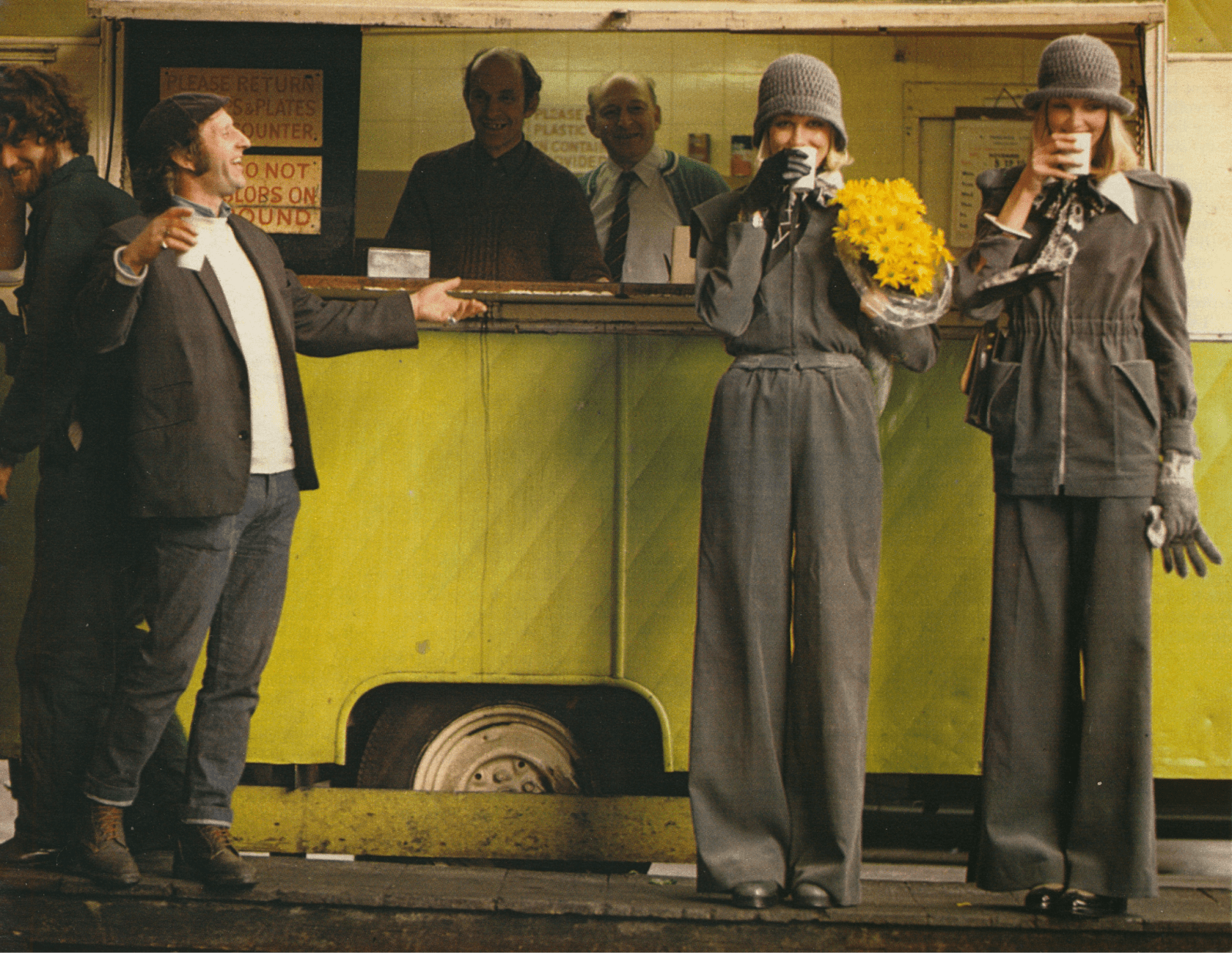
Stirling Cooper is remembered in the history of British fashion as a brand that successfully blended avant-garde design with commercial accessibility, making high fashion more attainable for a wider audience. It became part of the vibrant ‘Swinging London’ scene, helping to set new standards for youth culture. Moreover, Stirling Cooper paved the way for a whole generation of designers, including Jane Whiteside, Sheridan Barnett, Anthony Price, Bella Freud, and Nicholas Knightly. The brand served as a springboard for their creative careers. Ultimately, Stirling Cooper’s innovative spirit and willingness to challenge conventions cemented its place as a true pioneer of British fashion.