

In the early 1980s, Wapping wasn’t the desirable central London district it is today. It was a derelict, forgotten area, a labyrinth of docks, warehouses, and concrete structures. It was in this urban wasteland that the Wapping Autonomy Centre emerged – a short-lived but significant self-managed space of anarchist solidarity. Read more on londonski.
The Founding and Development of Wapping Autonomy Centre
In 1981, the anarchist project known as the Wapping Autonomy Centre kicked off in Wapping, London. Andy Martin, an employee of the alternative printing press Little A, suggested to the organisers that they set up shop in a rented space at Metropolitan Wharf. This marked the beginning of an experiment to create an autonomous space for the cultural and political self-organisation of the city’s anarchist youth.
Anarcho-communist activist Albert Meltzer recalled in his memoirs that the mastermind behind the Wapping Autonomy Centre was Ronan Bennett – who would later become a renowned writer and screenwriter with a left-radical past. He personally planned the layout of the premises and installed the technical systems to bring the vision to life. However, initial enthusiasm quickly collided with the harsh realities. Within the centre’s first week, visitors vandalised and destroyed almost all the walls, plumbing, and furniture.
The Wapping Autonomy Centre was funded by anarchist charitable initiatives. A crucial source of money came from the sale of the ‘Persons Unknown/Bloody Revolutions’ single, a joint release by two iconic bands — Crass and The Poison Girls. Additional donations flowed in from benefit concerts held by these same groups, who were then leading figures in the politicised punk movement.
A library soon appeared at the Wapping Autonomy Centre. However, it was filled with polemical anarchist treatises, which served more as ideological decor than a genuine source of intellectual engagement. One visitor recounted stumbling upon a Russian work from the First World War on the shelves. When he pointed out the author’s dubious reputation as an antisemite, a security guard silently snatched the book from his hands, abruptly returned it to its place, and, by way of farewell, showed his disdain with a rude gesture.
At the same time, the Wapping Autonomy Centre tried to develop its space for concerts, parties, and creative pursuits. This was particularly evident during the preparations for a New Year’s event, which promised to be a triumph of counterculture. The programme was set to feature punk acts like The Mob, Apostles, Null & Void, Flack, and Blood And Roses. However, reality quickly shattered the romance. Only a handful of the star-studded line-up actually showed up for the event.
By the end of the Wapping Autonomy Centre’s run, half the performers didn’t turn up, and the other half were unbearable to listen to. Unrestricted freedom of action led to the destruction of the space – both physical and social. Furniture was annihilated, walls defaced, and the laid-back atmosphere vanished. Ultimately, not only the building was lost, but also the money and the spirit of collective endeavour. In early 1982, financially and physically exhausted, the centre ceased to exist.
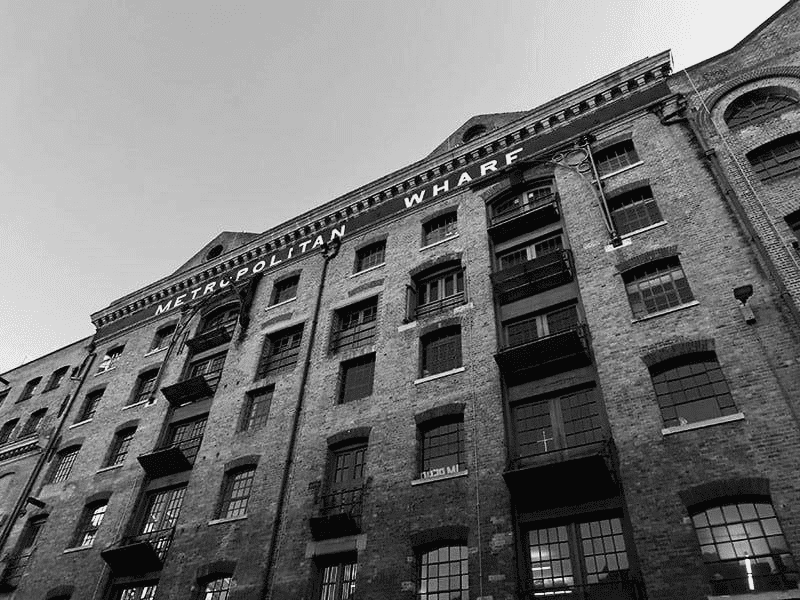
The Legacy and Significance of Wapping Autonomy Centre’s Work
The Wapping Autonomy Centre might not be considered a success in the usual sense, but it was undoubtedly influential. Its defeat was candid, but its achievements were undeniable. The centre united alternative youth in protests against vivisection labs, the meat industry, and Margaret Thatcher’s government policies. It was within its walls that bands who became anarcho-punk classics played, including Anthrax, The Apostles, Cold War, Conflict, and Rudimentary Peni. The space also inspired a wave of self-managed squats across London, giving rise to places like the Ambulance Station, Molly’s Café, and the Bingo Hall.
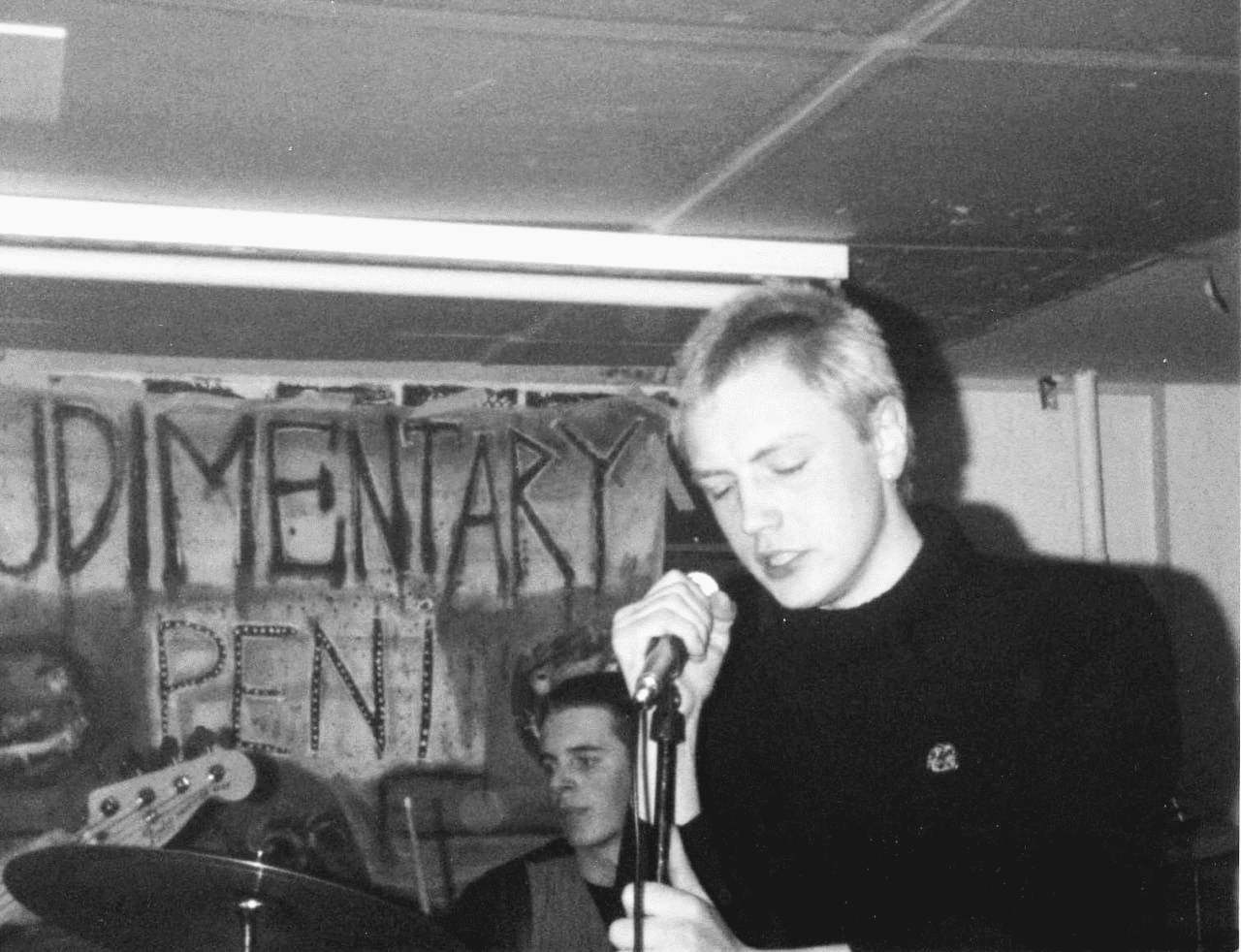
Rudimentary Peni concert, 1982