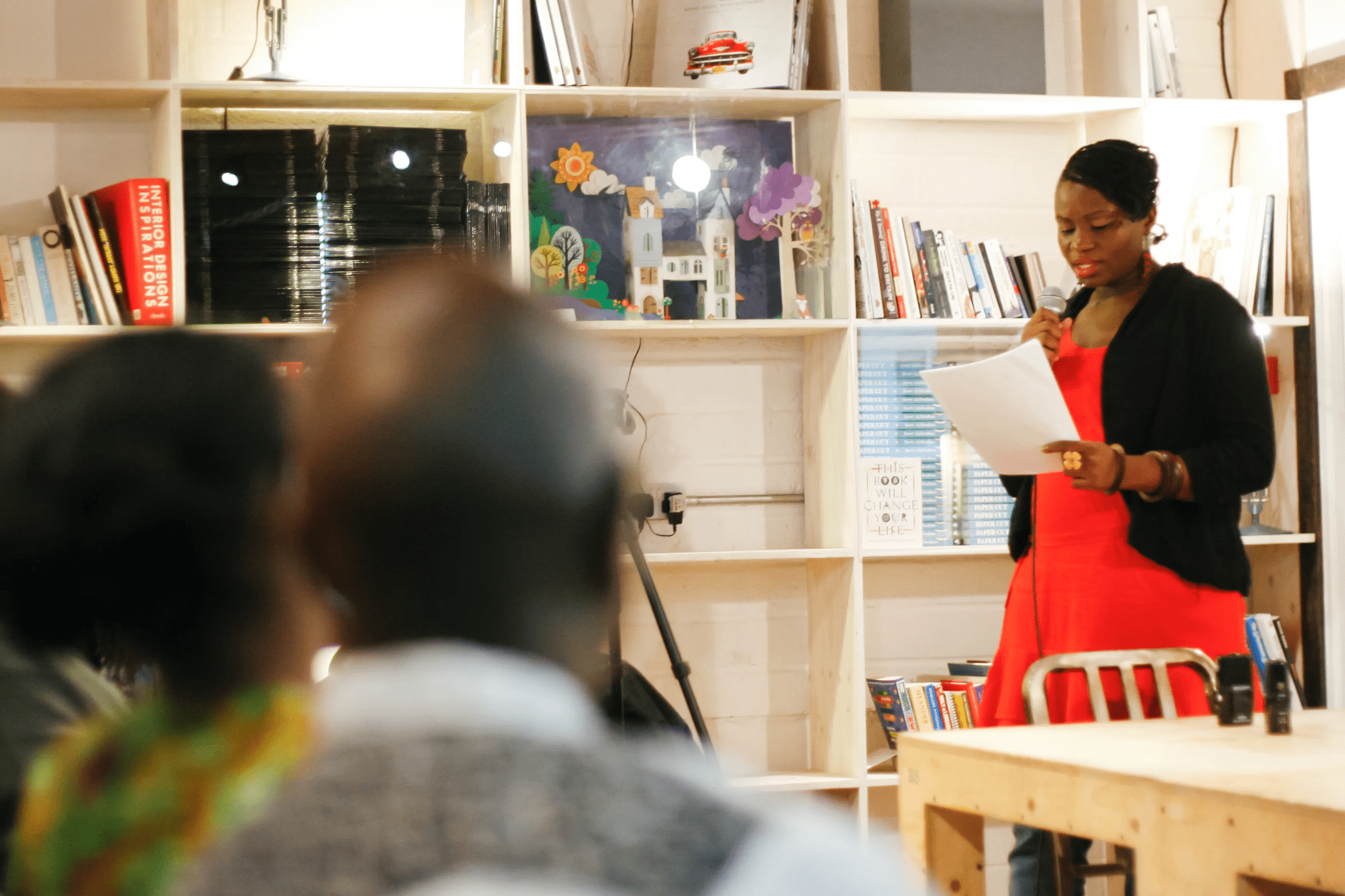
Among the numerous cultural initiatives dedicated to promoting African literature globally, the African Writers’ Evening holds a unique position. Its core mission was to give a voice to those whose stories had previously been overlooked. As the first regular event series devoted to African writers in the UK, it created a vital platform for dialogue among authors from different generations, genres, and cultural traditions. Read more on londonski.
The Genesis and Evolution of the African Writers’ Evening
The African Writers’ Evening was launched in 2003 by the Ghanaian-Nigerian writer Nii Ayikwei Parkes in collaboration with the directors of the Poetry Society. The inaugural event took place in July of that year at the Poetry Café in London. The line-up featured Nii Ayikwei Parkes himself, Ugandan poet Jessica Horn, and Nigerian-British short story writer and screenwriter Abbie Abaja. By 2004, the event had cemented its current format and adopted its symbolic motto: ‘Where Africa Speaks and the World Listens.’
Initially, the organisers of The African Writers’ Evening could only afford to cover the travel expenses of the featured authors. However, the situation changed in 2005 when funding from Arts Council England was activated, allowing writers to finally receive a fee for their performances. This crucial support made it possible to invite participants not only from the UK but from across the globe, transforming the series into an international cultural phenomenon. A highlight of this period was Helon Habila’s appearance on the stage of the Royal Festival Hall.
The reputation of the African Writers’ Evening quickly grew due to its uncanny ability to spot new talent before they achieved widespread fame. For instance, both Diana Evans and Hisham Matar made their first public appearances here before their debut books were even released. Participants from the 2007 series, Ken Kamoche and Segun Afolabi (likely Seyi Adeniran from the original text, corrected for accuracy/common recognition), were soon nominated for the Commonwealth Writers’ Prize for their first novels. Furthermore, Inua Ellams, who graced the stage in 2006, went on to win the prestigious Edinburgh Festival Fringe First Award three years later.
A significant turning point in the African Writers’ Evening’s history came in September 2009 with its first international event in New York City. The following year, in April 2010, they hosted an evening in Birmingham, organised in partnership with The Drum Theatre, the British Council, and the London Book Festival. In July 2010, the project returned to the London Poetry Café for a special event called the African Book Market. This was more than just an evening of readings; it was a bona fide book fair, held in collaboration with publishers Random House and Serpent’s Tail.
Subsequently, the African Writers’ Evening entered a period of silence. Nii Ayikwei Parkes explained this was due to shifts in his personal circumstances and professional commitments. Over time, he took on more editorial and organisational roles, mentored young authors, and became actively involved in various cultural projects, forcing him to re-evaluate his priorities. However, he stressed that AWE had not vanished but was merely in a state of ‘rest and reflection,’ anticipating its renewed return. The organisers also plan to restore the archival video footage from the project’s first decade.
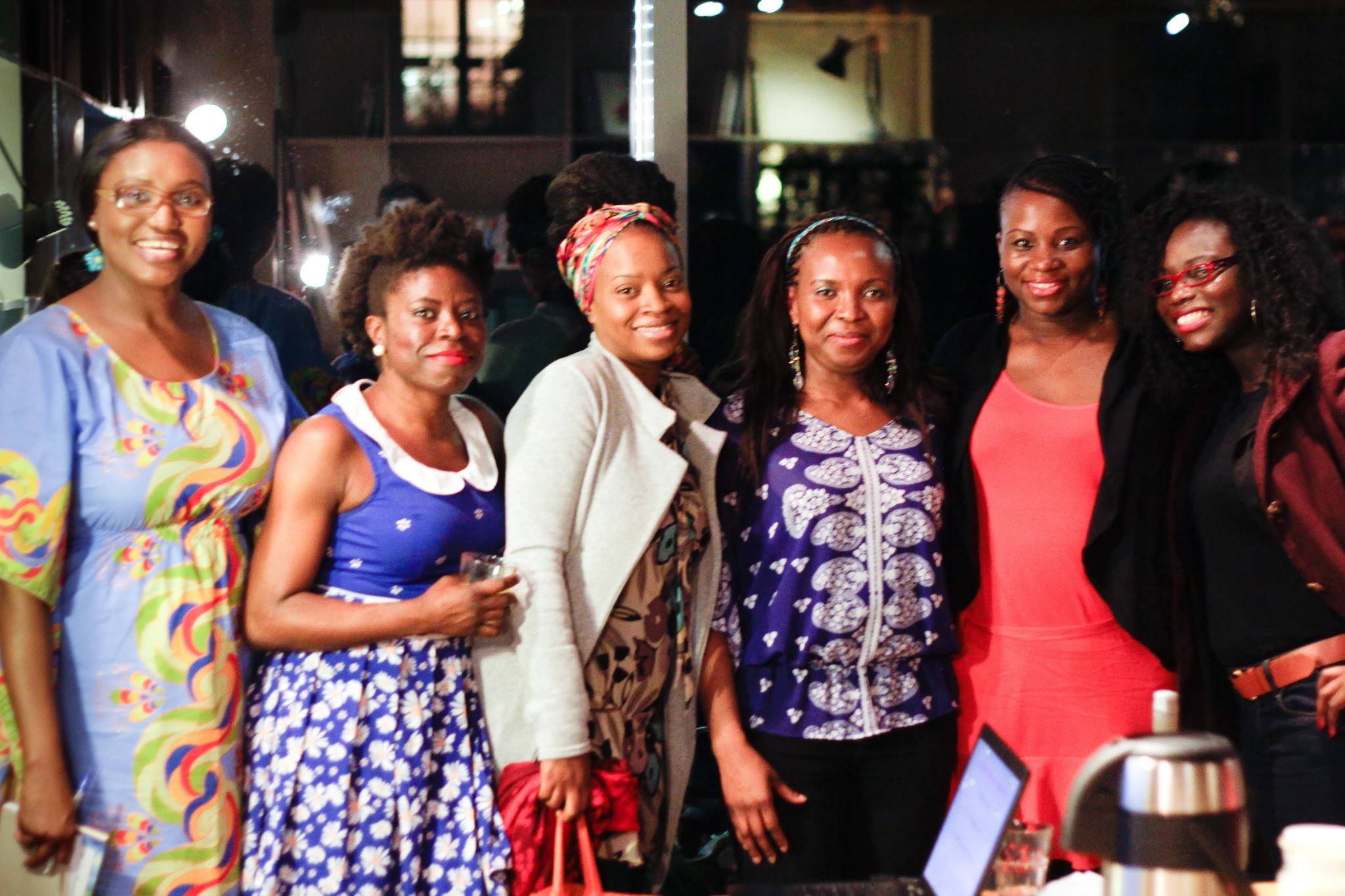
The Recognition and Significance of the African Writers’ Evening
The African Writers’ Evening holds a truly special place in the history of contemporary British and African literature. The event series was defined by its inclusivity and impressive genre diversity. The AWE stage gave a platform to poets, novelists, playwrights, and screenwriters, representing a wide array of cultural traditions and writing styles. It was here that audiences first encountered the early works of future literary stars such as Diana Evans, Hisham Matar, Inua Ellams, Ken Kamoche, and Seyi Adeniran. Many of them later went on to win prestigious literary awards, and their names became known far beyond the African continent.