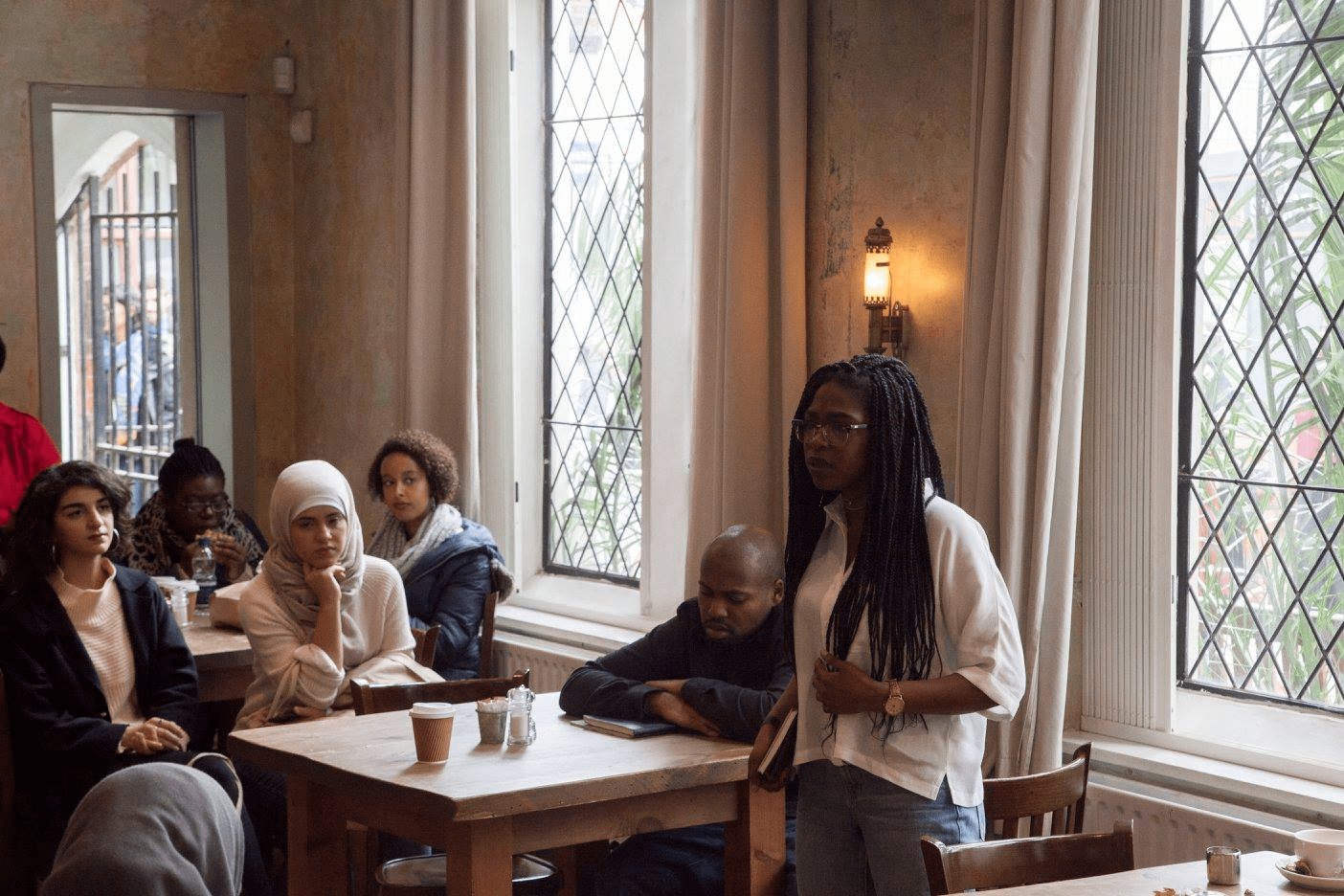
The publication of the Spread the Word report in 2015 marked a watershed moment for British literature. Its alarming statistics revealed that just 4% of writers invited to participate in major literary events were from ethnic minority backgrounds. Just one year later, the Bare Lit Festival was launched in London—the country’s first festival dedicated specifically to Black, Asian, and Minority Ethnic (BAME) writers. It finally offered a vital space for their visibility, voice, and recognition. Read more on londonski.
The Founding and Evolution of the Bare Lit Festival
The Bare Lit Festival was established in London in 2016 with a clear mission: to support and champion the writing voices of ethnic minorities across the UK. It was initiated by the organisation Media Diversified, which aimed to actively challenge the “monochromatic” vision of contemporary literature that had long dominated the national scene. The inaugural festival was hosted at the Free Word Centre and Betsey Trotwood in Farringdon, London. It successfully showcased the work of over 30 writers from diverse global backgrounds. The event quickly drew international attention, with The New York Times highlighting its unique atmosphere of intellectual dialogue and social awareness.
To help finance the 2017 festival, Brain Mill Press published an anthology of works edited by Kavita Bhanot, Courttia Newland, and Mend Mariwany. The second festival proved even bigger, bringing together over 60 authors and covering a broad range of topics, including food literature, erotica, and the art of editing. Crucially, the event secured support from leading literary bodies, including Spread the Word, The Royal Literary Fund, and Apples & Snakes.
The third Bare Lit Festival, held from 25th to 27th May 2018 at the Albany Theatre, cemented its status as one of the most influential platforms for BAME authors. It attracted sponsorship from major players like Hachette and The Royal Literary Fund. The programme went beyond readings and discussions to include the premiere of Annette Brook’s play Gala Mae, performed by Matchstick Theatre. Festival participants included Preti Taneja, Guy Gunaratne, and Nii Ayikwei Parkes, who delivered the keynote speech. Parkes sharply outlined the systemic issues of racism, classism, and sexism within the British literary industry.
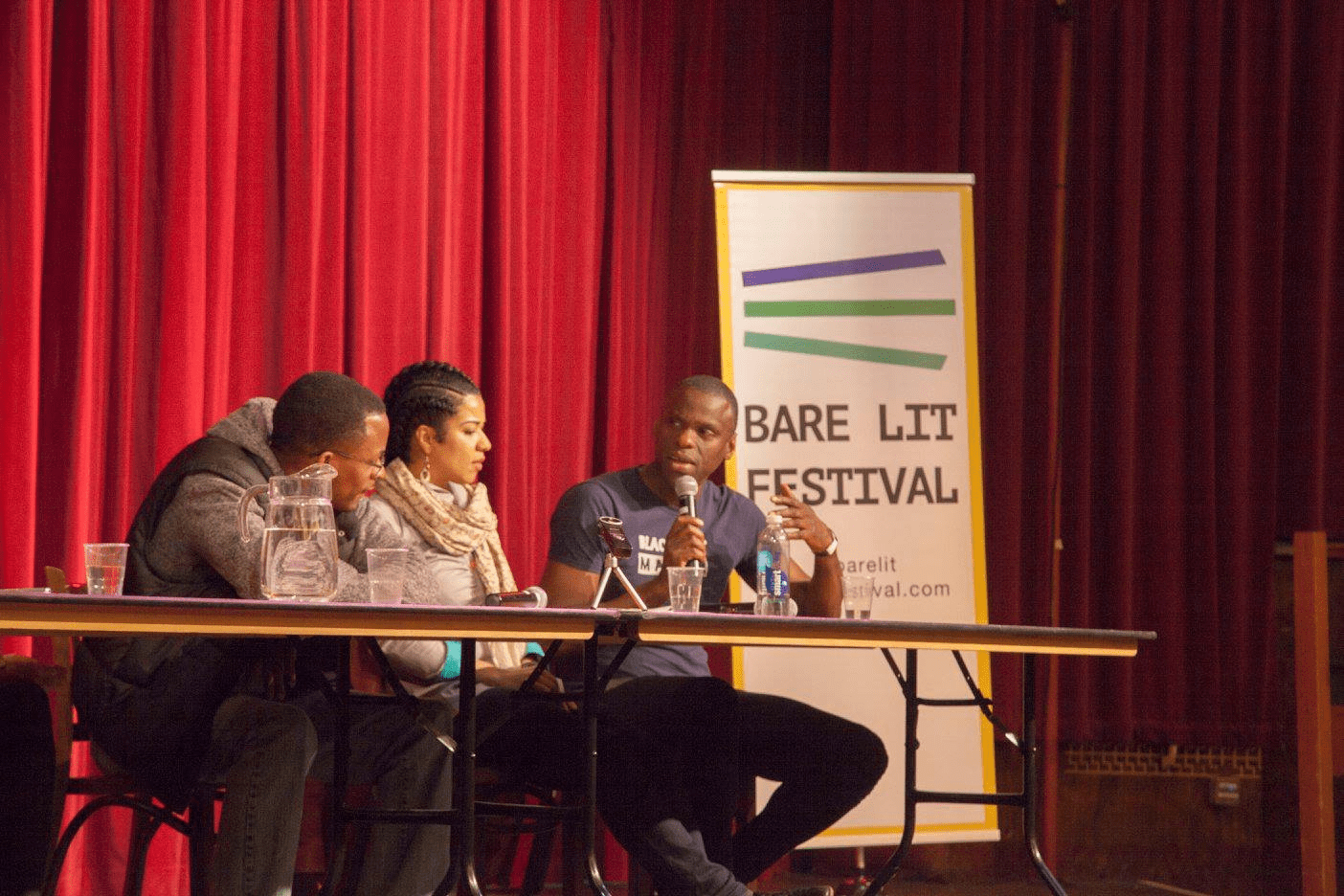
In 2019, the Bare Lit Festival returned to the Albany Theatre, again with the support of Hachette. That year’s main speaker was Ben Okri, the Booker Prize-winning novelist and one of the most celebrated contemporary writers of Nigerian heritage. Another significant highlight was a panel featuring authors shortlisted for the 2019 Jhalak Prize, including Charlie Brinkhurst-Cuff, Onjali Rauf, and Roy McFarlane. They discussed crucial issues of representation, publishing pathways, and the absolute necessity of supporting new ethnic minority voices in the industry.
The most recent Bare Lit Festival transitioned to a series of free online events, running every Tuesday and Thursday from 4th August to 1st September 2020. Organisers created a virtual space featuring exclusive videos, podcasts, and author conversations. One of the standout episodes was the event on 20th August, where Davina Tijani and Isha Karki, both participants in the London Writers Awards run by Spread the Word, shared their creative journeys. Following the session, attendees could get live, practical advice on literary programmes and grants from Ruth Harrison and Bobby Nayyar of Spread the Word.
The Recognition and Significance of the Bare Lit Festival
The Bare Lit Festival has successfully united hundreds of authors, editors, and readers, transforming into a vital hub for frank discussions about race, class, gender, identity, and justice within the literary world. With backing from organisations like Spread the Word, The Royal Literary Fund, Hachette, and Apples & Snakes, it has become an influential centre for cultural dialogue. Furthermore, coverage in leading publications, including The Guardian and The New York Times, has underscored the festival’s unique nature and profound social significance.