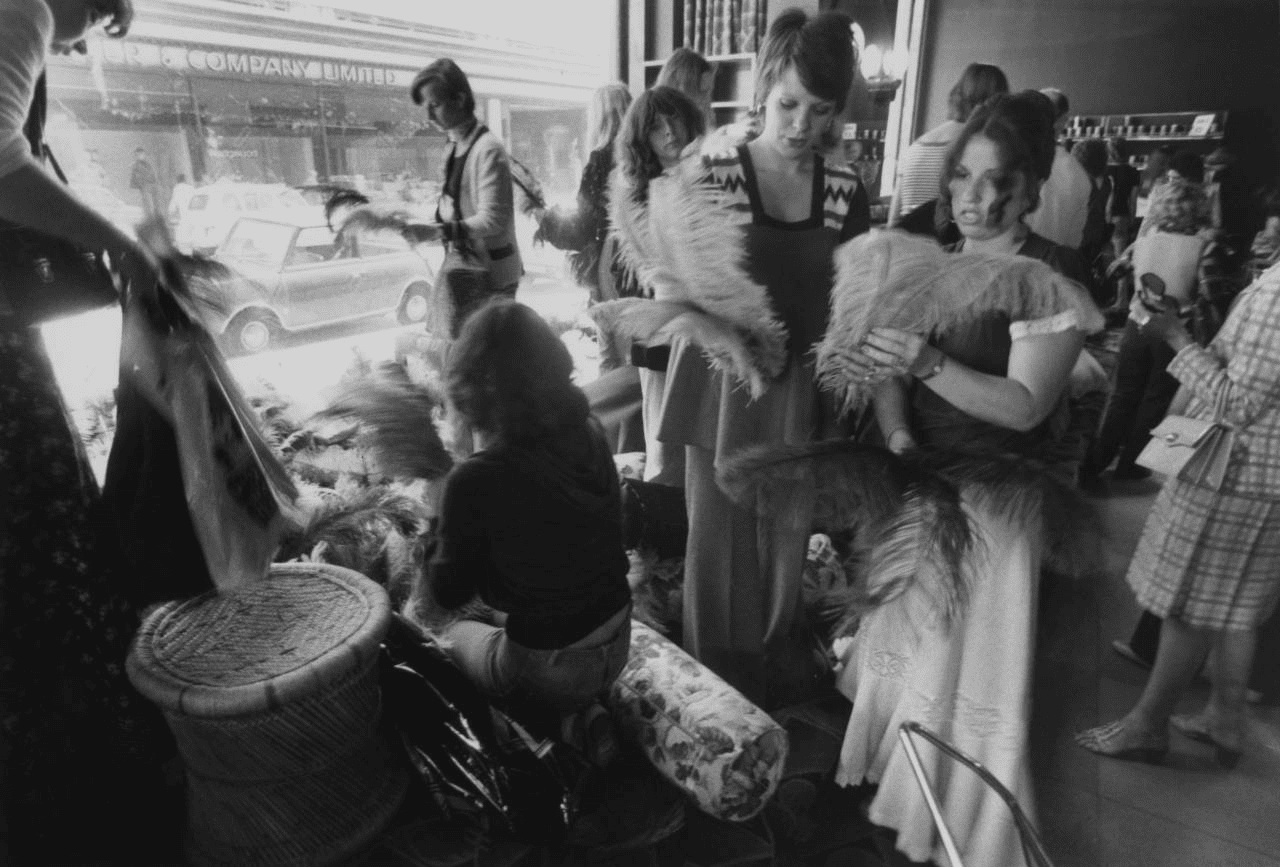
In the mid-1960s, as London’s fashion scene was undergoing a true revolution, a brand emerged that completely transformed ideas about style and affordability. Biba quickly became a household name thanks to its democratic prices, daring designs, and the unique atmosphere of its stores. Designer Barbara Hulanicki’s creations were embraced by everyone from students and secretaries to television stars, and the boutique itself became a meeting point for different social classes. Read more on londonski.
The Rise and Fall of Biba
After the Second World War, Barbara Hulanicki, the daughter of a Polish diplomat, moved to London. She studied at Brighton College of Art and began her career in the early 1960s as a freelance fashion illustrator. Her path as a designer truly began thanks to her husband, advertising manager Stephen Fitz-Simon. In 1963, the couple founded Biba’s Postal Boutique, a mail-order business that produced small-batch clothing. This model allowed them to test customer reactions to new collections with minimal upfront costs.
The real breakthrough came the following year. In 1964, Biba shot to fame with a simple, check-patterned sleeveless pink dress that came with a matching headscarf. The design was inspired by a childhood dress Hulanicki’s mother had made for her. The turning point came when influential fashion editor Felicity Green of The Daily Mirror ordered the dress for a feature on women in business. They had anticipated selling 3,000 dresses, but after the article was published, they were flooded with over 17,000 orders. Inspired by the overwhelming demand, Hulanicki opened the first Biba shop on Abingdon Road in London, transforming a former chemist’s into a hub of a new fashion culture.
Biba’s commercial success fuelled its rapid expansion. In 1966, Hulanicki opened a larger store on Kensington Church Street, and just three years later, the brand moved to a more spacious location on Kensington High Street. However, the true icon of the era arrived in 1973, when the brand moved into a vast, seven-story Art Deco building. This new format was dubbed Big Biba and embodied an ambitious “full lifestyle vision,” as the Evening Standard newspaper described it. The store’s range went far beyond fashion, offering everything from long dresses with bell sleeves and leopard-print coats to lampshades and cosmetics. The entire shopping experience created a holistic atmosphere that was revolutionary for its time.
However, the immense Biba department store was not only the realisation of a dream but also a formidable challenge. The colossal costs of running and organising the project turned it into a significant burden. Despite its popularity with customers, the brand’s financial instability and tense relations with investors began to take their toll. The culmination was a dispute between Barbara Hulanicki and the company’s board over creative control. Unwilling to compromise her vision, she decided to leave. In 1975, the company was liquidated by the British Land Company.
In May 2006, there was an attempt to revive the Biba brand under the leadership of designer Bella Freud. However, Barbara Hulanicki was not invited to participate in the process. She openly admitted that the experience was “very painful” and felt like a betrayal of the brand’s authenticity. After just two seasons, Bella Freud left the company, and the revival attempt failed. In 2008, Biba was once again placed into administration.
A second revival occurred in 2009 when House of Fraser bought the brand. This time, they bet on an in-house design team led by Hector Castro. Unlike Bella Freud’s short-lived stint, this new version achieved strong results. However, Barbara Hulanicki remained on the sidelines. In her opinion, the new collections were “overpriced” and “did not reflect the spirit of the original” that had once captured the hearts of young Londoners.
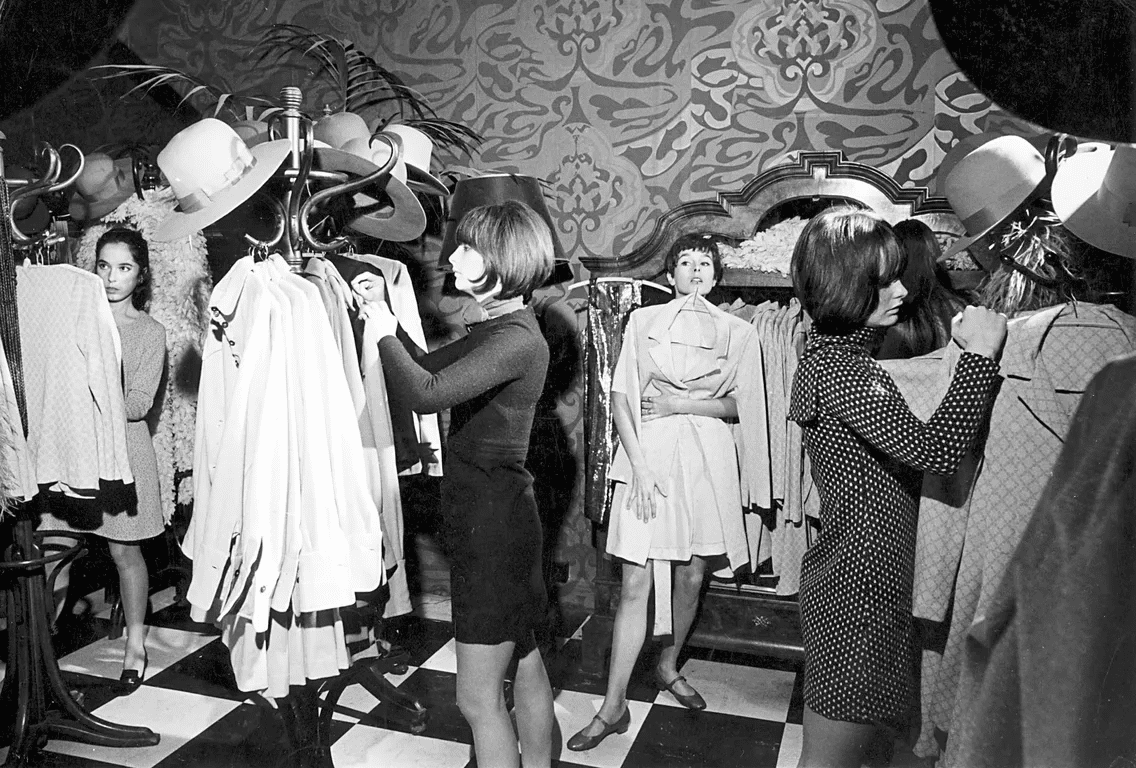
The Legacy of Biba
The Biba brand successfully broke down the class barriers that had traditionally dictated who could access fashion and how. The key to its success was affordability: clothing and accessories were priced so that the average London secretary could easily afford them. The principle of “selling a lot and selling it cheap” was revolutionary at a time when most boutiques catered exclusively to a wealthy clientele. Additionally, the fast-changing collections, wide range of colour combinations, and the ease of mixing and matching items made Biba a brand that truly met the real needs of its customers.