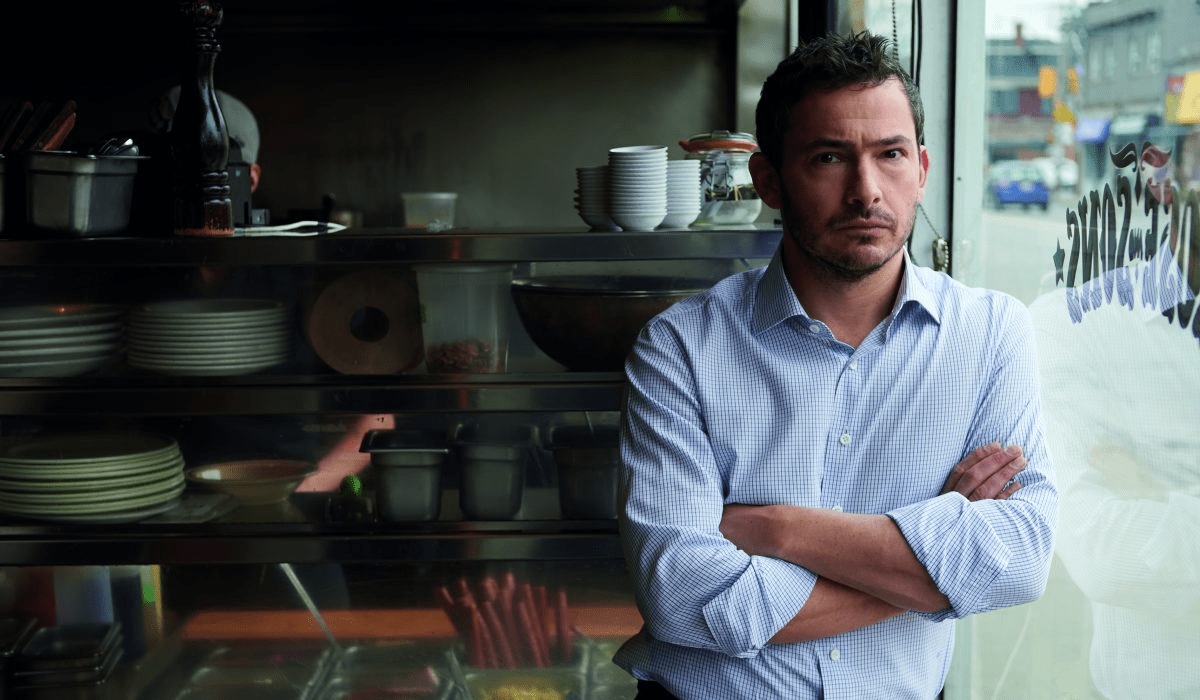
Whether he’s making you laugh, gasp, or applaud, Giles Coren is a British media personality who never fails to make an impact. With a career spanning journalism, literature, and television, he’s a well-known restaurant critic and the author of numerous articles on culture, social issues, and gastronomy. Read more on londonski.
The Early Years and Giles Coren’s Media Journey
Born in London on 29 July 1969, Giles Coren is the son of Alan Coren, a celebrated English journalist and satirist, and Anne Kasriel, who came from an orthodox Jewish family. He began his education at The Hall School in Hampstead before moving on to the prestigious Westminster School. His flair for writing and keen analytical mind shone through at Keble College, Oxford, where he graduated with a First in English.
Coren’s professional career started out with restaurant reviews for Tatler and The Independent on Sunday. But his true breakthrough came after he joined The Times in 2002, where he quickly earned a reputation as one of the country’s most influential food critics. In 2005, he was named Food and Drink Writer of the Year at the British Press Awards, solidifying his status in the world of journalism. His writing, however, wasn’t limited to food. In his columns for The Times, he tackled a wide range of subjects, from personal reflections to social and political issues.
Coren’s literary ambitions also found their way into his fiction and non-fiction works. His debut novel, Winkler (2005), sparked controversy and even earned him the dubious honour of a Bad Sex in Fiction Award. Undeterred, he continued to experiment with non-fiction, publishing Anger Management (For Beginners) (2010) and How To Eat Out (2012). Both books were praised for their humour, honesty, and ability to explore important topics in an accessible way.
Beyond writing, Coren has made a name for himself in television. In 2005, he became a regular correspondent on Gordon Ramsay’s hit cooking show The F Word, where he combined his sharp wit as a critic with a hands-on experience of the world of fine dining. The following year, he hosted Tax the Fat on More4, a programme that explored the issues of clinical obesity and the financial burden it places on the UK’s healthcare system. In 2007, he teamed up with scientist Olivia Judson for the documentary series Animal Farm on Channel 4.
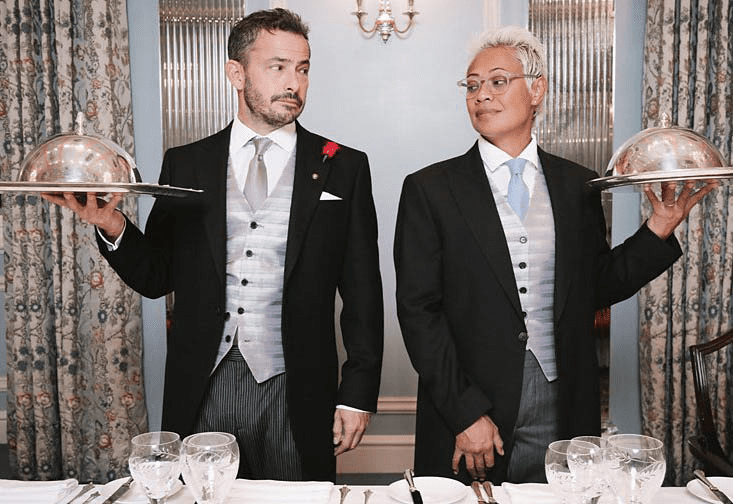
Over time, Coren’s television interests expanded beyond food. In 2016, he presented My Failed Novel for Sky Arts, a candid film about his literary aspirations and the challenges of a writing career. A particularly significant role came with the series Amazing Hotels: Life Beyond the Lobby, which he co-hosted with renowned chef Monica Galetti from 2017 onwards. Together, they travelled the world, giving viewers a behind-the-scenes look at some of the globe’s most luxurious hotels. The show was a hit, with a second series airing in 2018, a third in 2020, and a fourth running from 2021 to 2022.
The Legacy and Significance of Giles Coren’s Restaurant Criticism
In the modern British media landscape, Giles Coren holds a unique position as a figure who has seamlessly blended journalism, literature, and television. His journey from restaurant critic for Tatler and The Independent on Sunday to a leading columnist at The Times shows the power of words in shaping cultural discourse. Coren is also an active supporter of charitable and social initiatives, advocating for sustainable food production, environmental issues, and men’s health. Despite facing controversy and criticism, he has consistently maintained his independence and conviction.