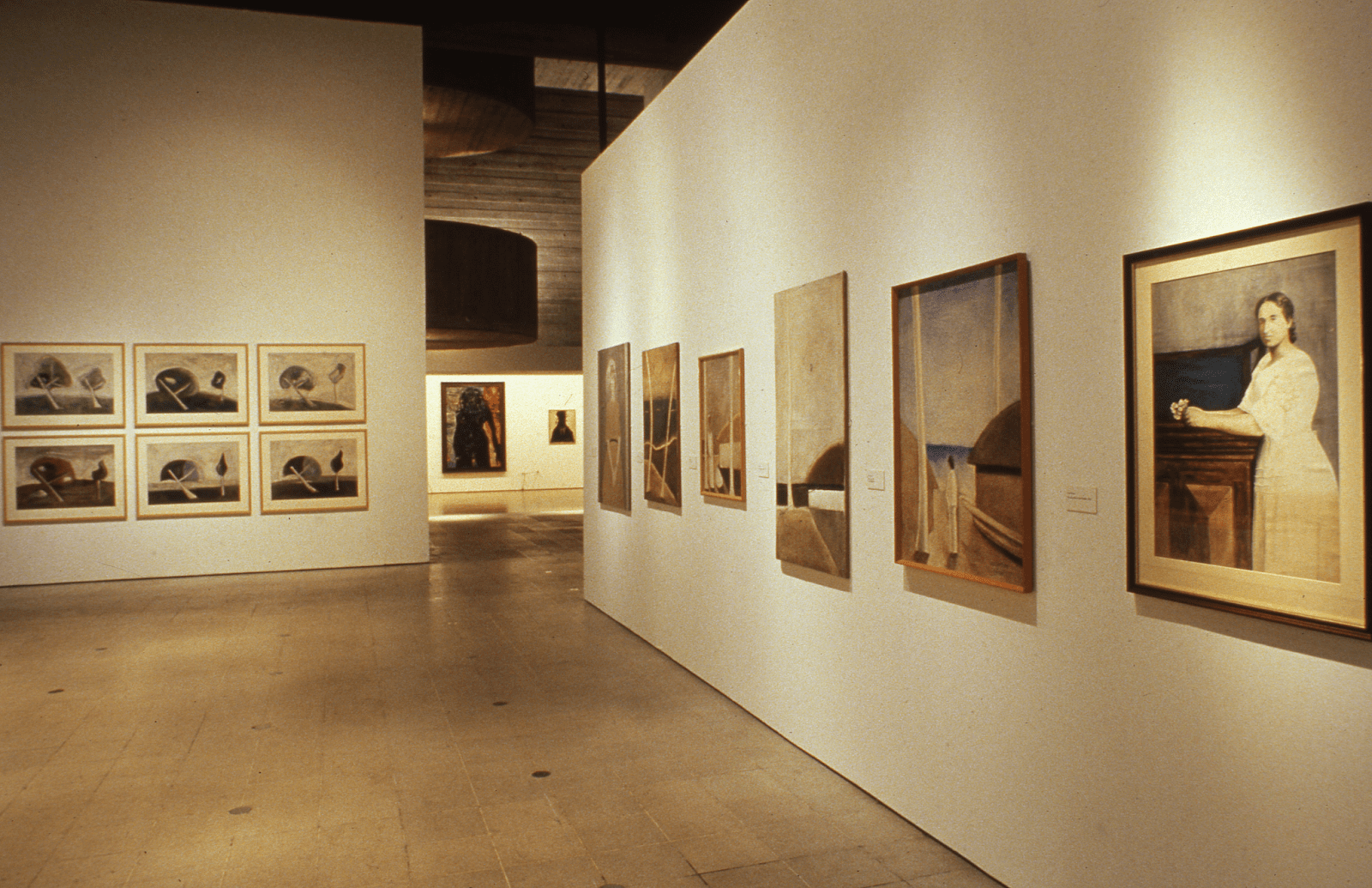
Since the 1970s, artists of African, Asian, and Caribbean descent have been actively challenging their near-total absence from Western museums and galleries. This struggle for visibility spurred the creation of new curatorial initiatives, with the landmark exhibition, ‘The Other Story’, taking centre stage. Its ambitious goal was to fundamentally rethink Modernism by integrating artists of colour whose works created an alternative history of British art spanning the years 1946 to 1986. Read more on londonski.
The Genesis and Journey of ‘The Other Story’
From its opening in 1968 until the mid-1980s, the programme at the Hayward Gallery was managed by the Arts Council of Great Britain. It was there, in 1978, that the artist and independent curator Rasheed Araeen first pitched his idea for the future ‘The Other Story’ exhibition. His approach to curator Andrew Dempsey marked the start of a long dialogue. Despite initial rejections, the concept finally took shape and went on to tour the UK. The preparation coincided with a time of significant social polarisation, anti-racist protests, and a growing public awareness of art’s role in shaping national identity.
The exhibition was divided into four thematic sections, each reflecting different facets of artistic exploration and cultural dialogue. ‘In the Citadel of Modernism’ was the largest and most crucial section. All the featured artists, with the exception of Ronald Moody, participated in this segment personally. Modernism was presented here as a vibrant, evolving practice. Painting and sculpture took precedence, representing the movement in its classic forms: abstract, figurative, and orthodox.
The second section, ‘Taking the Bull by the Horns’, focused on the artists’ struggle against the canons of 1960s Modernism. It charted the shift from academic art towards experimental, performative, and participatory practices. This section only included four artists, all men, whose works served as a critique of Neo-Expressionism, which was dominating painting in the 1980s.
After moving through the first two parts of the exhibition, visitors ascended the back staircase to the upper-floor galleries. There, the next section awaited them: ‘Confronting the System’. Here, artists engaged with the political and social realities of the time, challenging systemic hierarchies within both art and society. The exhibition route concluded with the final section, ‘Recovering Cultural Metaphors’, which led back to the bottom of the stairs, ending the journey in the gallery. In this part, artists looked to the symbols, myths, and cultural imagery of their countries of origin, reinterpreting them in a contemporary context.
Ultimately, ‘The Other Story’ drew over 24,000 visitors, a significant indicator of public interest in cultural identity and post-colonial art. The project’s success led to its subsequent showing at the Wolverhampton Art Gallery, followed by the Manchester City Art Gallery and Cornerhouse. Decades later, interest in the exhibition has been revived in digital format. The Afterall research centre created a dedicated microsite, which has become an invaluable online platform for analysing, archiving, and discussing the exhibition’s lasting significance.
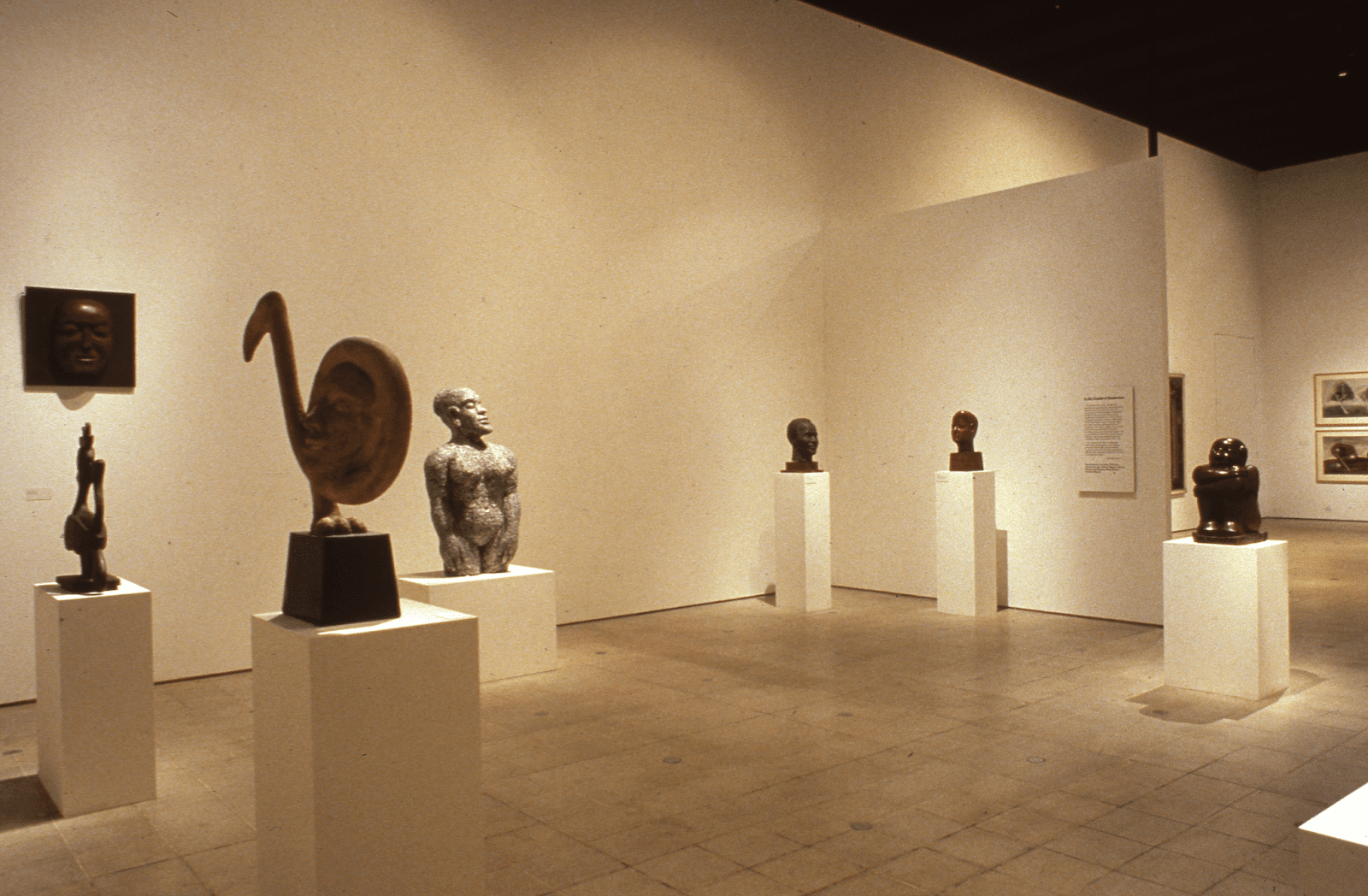
The Legacy and Impact of ‘The Other Story’
‘The Other Story’ was the first exhibition to bring together the work of Asian, African, and Caribbean artists who were active in post-war Britain. It featured twenty-four artists, including Ahmed Parvez, Avinash Chandra, Eddie Chambers, Keith Piper, and Salim Arif, among others, whose creativity shaped the visual language of a multicultural nation. However, the project was not without its critics. Reviewers noted that it did not fully reflect the dynamism of Afro-Caribbean popular cultures, cinema, and music. Furthermore, the organiser was seen as seeking approval from the very system he was simultaneously criticising as unjust.