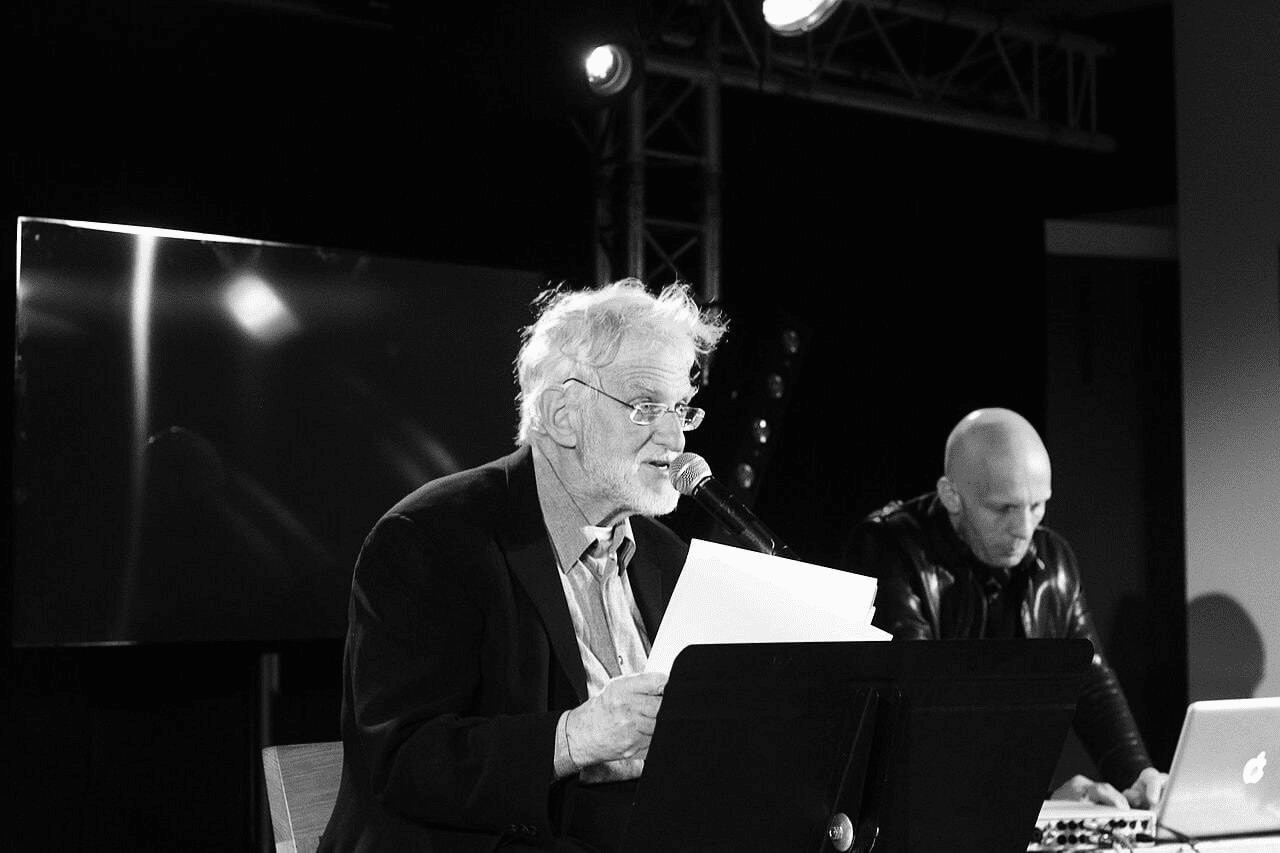
Nik Cohn, a British writer and journalist, is rightly considered the father of rock literature. His name is inextricably linked with the birth of a new kind of music criticism, one that transformed standard reviews into profound sociocultural narratives. Indeed, Cohn’s writing did more than just inform; it immersed readers in a world beyond the traditional press. Read more at londonski.
Early Life and Career of Nik Cohn
Nik Cohn was born in London in 1946, but spent his childhood in Derry, Northern Ireland. He grew up in an intellectual family: his father, Norman Cohn, was a historian, and his mother, Vera Broido, was a writer. The home was filled with books, and the music collection was largely limited to the classics. However, a fateful moment in the boy’s life came when he was ten years old. While out and about, he happened to hear the explosive “Tutti Frutti” by Little Richard playing from a café jukebox. This moment was a musical revelation for the young listener, one that would shape his outlook forever.
Defying expectations, Nik Cohn did not follow the traditional path to Oxford or Cambridge. Instead, he first attended the Royal Grammar School in Newcastle upon Tyne before moving to London. In 1964, the daughter of David Astor, editor of the influential newspaper The Observer, invited the young man to spend a weekend at their family estate. There, Astor himself was impressed by Cohn’s knowledge of the Mod and Rocker subcultures. Consequently, the young critic began to capture the spirit of the age in the paper’s “Briefing” column.
In 1969, Nik Cohn published his first major book, titled “Awopbopaloobop Alopbamboom: The Golden Age of Rock.” It became the first literary work to deeply explore the unique language and raw energy of rock ‘n’ roll. Moreover, the book was a comprehensive chronicle of a rebellious era, spanning the period from the rise of Bill Haley to the tragic death of Jimi Hendrix. It was then that The Observer described the author as “a smart-arse, a rising star, and a hustler.”
In the early 1980s, Nik Cohn’s career suffered a major blow when he was accused of drug trafficking for importing $4 million worth of Indian heroin. Ultimately, some of the charges were dropped. Instead, he received a five-year suspended sentence and a $5,000 fine for drug possession. After overcoming his addiction, he later admitted, “I was a very lost puppy.”
After this, Nik Cohn’s writing career gradually got back on track. In 1992, his book about New York’s Broadway, “The Heart of the World,” was published. In the mid-1990s, the critic became a columnist for The Guardian while working on the book “Yes We Have No: Adventures in the Other England,” in which he explored Britain’s underground culture.
In 2011, Nik Cohn declared that he had given up living in the past. Instead, he returned to intensive writing, dedicating over 10 hours a day to his craft in his creative sanctuary. This is a writer’s cottage in the back garden of a 19th-century farmhouse, formerly the Harbour Inn pub. He lives there with his wife, children’s author Michaela Muntean. During this period, he began work on a new project, “Dirty Pictures,” a sweeping work of fiction spanning 50 years of his life. According to the author, the novel is a bid for immortality, though he has never claimed to seek it.
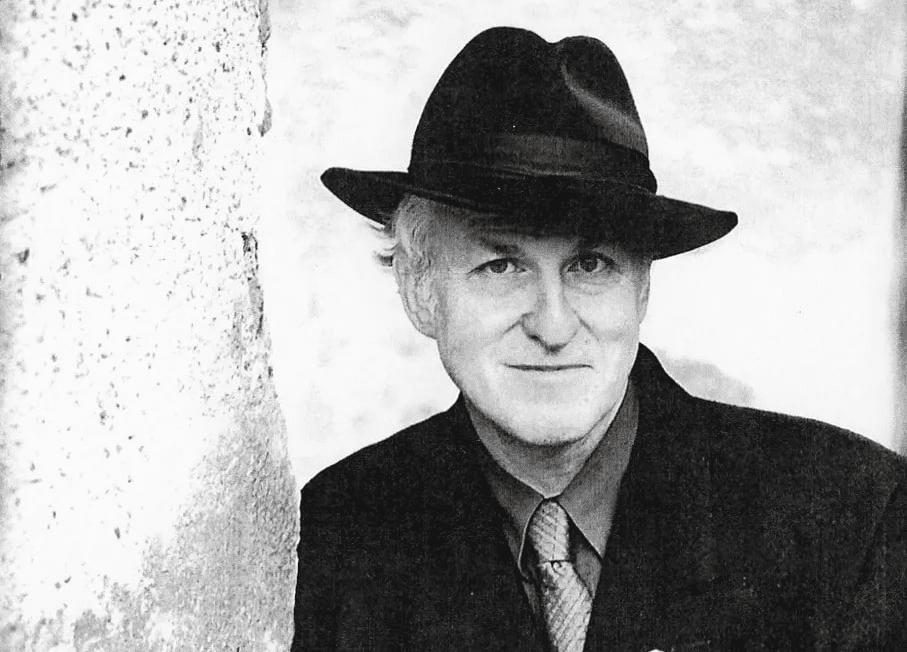
Recognition and Significance of Nik Cohn’s Music Criticism
Nik Cohn holds a special place in the history of popular culture as the founder of rock literature. His body of work includes over 20 books, among them “The Elvis Years,” “The Rolling Stones: A Celebration,” and “Triksta: Life and Death and New Orleans Rap.” It covers a wide range of topics, from British rock ‘n’ roll to American hip-hop. Thus, the writer and journalist has built a legacy that remains relevant for new generations of researchers and music lovers.