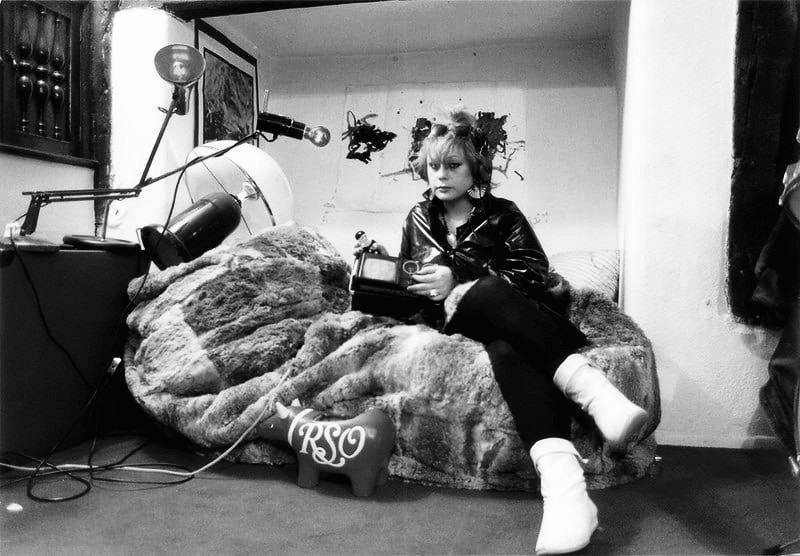
Honey Bane became an example of how to maintain artistic integrity under the pressures of the commercial industry. She repeatedly reinvented her style—from punk to new wave, from pop to metal—without ever losing her own voice. Indeed, it was her internal struggles that served as the source of the artist’s creative power. Read more at londonski.
Early Years and Creative Journey of Honey Bane
Honey Bane was born Donna Tracey Boylan in London on November 4, 1963. Her childhood was marked by instability and the absence of a father figure. Raised by her mother, a former model, she grew up in an atmosphere of constant moves around the capital. This transient lifestyle seemed to lay the foundation for her future restless nature. Her rebellious teenage years were accompanied by aggression and alcohol abuse, which led to her running away from home and having trouble with the law.
Honey Bane’s music career began in 1978 when she was just 14 years old. Forming the punk rock band Fatal Microbes was her first serious creative project. That same year, the band released a split 12-inch album with the anarcho-punk collective Poison Girls, which immediately caught the attention of the music community. Their debut single, “Violence Grows,” received rave reviews from the influential British music publication Sounds. However, internal conflicts led to the band’s breakup in 1979.
Following this, Honey Bane ended up in a juvenile detention center, which once again made her the subject of media attention. While hiding from social services, she began collaborating with the renowned anarcho-punk collective Crass. Performing as a soloist under the pseudonym Donna and the Kebabs, she recorded the EP “You Can Be You” in 1979. It became the debut release on the newly formed Crass Records, a label that would later play a significant role in the development of the British underground.
In 1980, a new chapter began in Honey Bane’s career when she met Jimmy Pursey, the frontman of Sham 69. He became her mentor and manager, helping her sign a five-year contract with the major label EMI/Zonophone. This marked the singer’s transition from the underground scene to the mainstream. In 1981, her single “Turn Me On Turn Me Off” reached number 30 on the UK charts and earned her a performance on the iconic TV show Top of the Pops.
However, Honey Bane’s music career proved to be fragile. She lacked a stable band to share her artistic vision, and her image was torn between punk and pop. Even Jimmy Pursey’s involvement couldn’t prevent her rapid decline. By 1983, the singer once again found herself on the fringes of the music industry, having lost both her punk credibility and her commercial appeal in the pop world.
A nearly decade-long silence ended in the mid-1990s when Honey Bane attempted a comeback with a new project, Dogs Tooth Violet, which had a metal-oriented sound. The audience that had once been captivated by her punk energy remained indifferent to her new style. Without label support, with limited industry contacts, and having lost her connections to the music community, the singer’s comeback attempt failed.
But Honey Bane didn’t give up. In 2015, she completed years of work on her first full-length album, “Acceptance of Existence,” which became her personal confession and the culmination of her entire creative journey. The simultaneous release of the anthology collection “It’s a Baneful Life (The Anthology 1978–2015)” on her own label, You Can Be You Records, presented a complete picture of the singer’s musical evolution over nearly four decades.
Recognition and Significance of Honey Bane’s Music
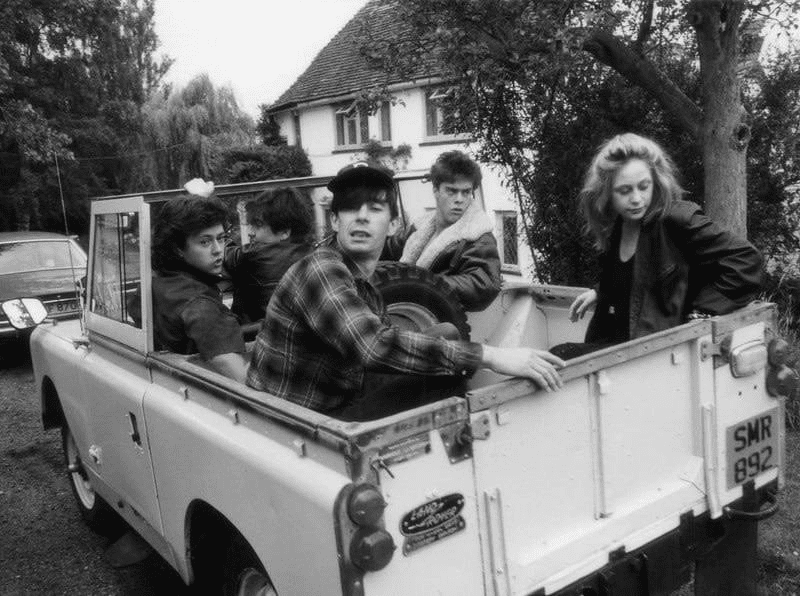
Honey Bane remains one of the most charismatic and controversial figures on the British alternative scene. Striving to be true to herself, she chose the thorny path of independence over easy fame throughout her career. The singer’s connections with influential bands like Killing Joke and UB40 attest to her importance in the broader context of experimental music. At the same time, her work with experienced producers and performers, including Alan Shacklock, Steve Levine, and Nick Tauber, also confirms the professional recognition of her talent within the music community.