

London’s Swinging Sixties turned men’s fashion on its head. Gone were the traditional dark suits, replaced by a riot of velvet, silk, and floral prints. Amid this wave of experimentation, a boutique called Dandie Fashions emerged, forever cementing its place in history as a symbol of the fusion between fashion, music, and the bohemian lifestyle. It quickly gained a reputation as the birthplace of new styles and a meeting point for artists and musicians. Read more on londonski.
The Birth and Evolution of Dandie Fashions
The story of Dandie Fashions began with a chance conversation at the Speakeasy club, where Freddie Hornik and Alan Holston met. Their idea to create a new kind of fashion space attracted a colourful cast of characters, including designer John Crittle, entrepreneur Neil Winterbotham, and society dandy Tara Browne.
Initially, the shop was planned as a showcase for their company, Foster & Tara, but tragedy struck before its opening. While driving to a meeting with designers in December 1966, Tara Browne was in a fatal car crash on Redcliffe Gardens with his girlfriend, Suki Potier. This event famously inspired part of The Beatles’ legendary track “A Day In The Life,” released the following year.
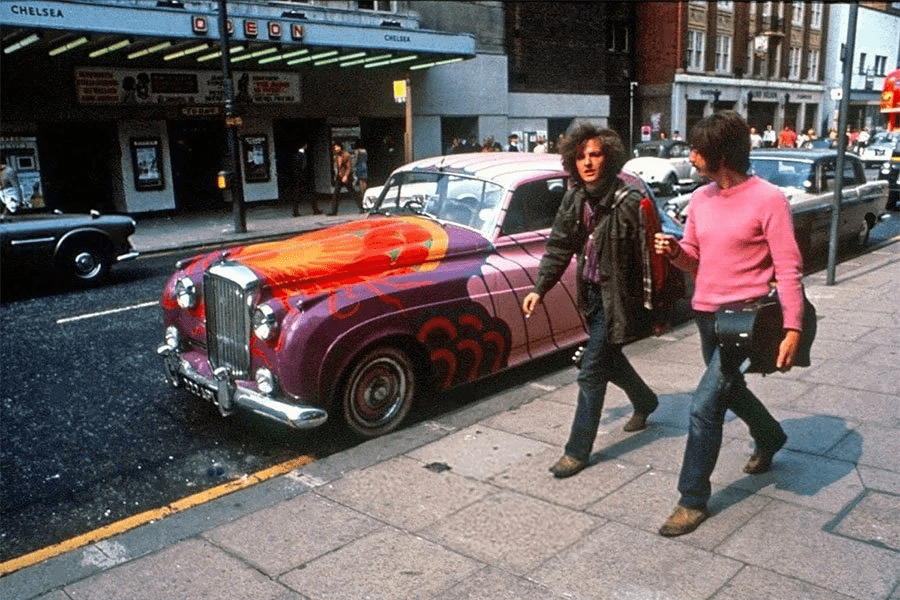
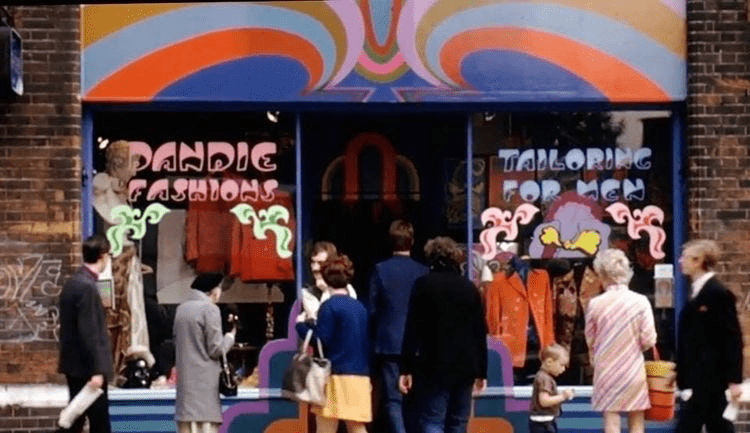
After Browne’s death, John Crittle took over his share of the business, and Dandie Fashions finally opened its doors in South Kensington. In the autumn of 1966, it moved to King’s Road, which was already at the heart of London’s fashion revolution. The boutique’s stock was known for its sophistication and theatricality, featuring velvet and silk suits, ruffled shirts, lace-trimmed jackets, and minidresses with wild, psychedelic prints. Each piece perfectly combined the dandy aesthetic with the vibrant culture of the 1960s. The shop also hosted parties, and a 1956 Bentley, painted in a psychedelic style, was used to chauffeur clients to events.
Dandie Fashions’ popularity didn’t just catch the eye of London’s fashionistas; it also attracted The Beatles, who decided to dabble in retail in 1968. The band bought the shop from John Crittle and integrated it into their newly formed, though ultimately doomed, Apple Corps franchise. Dandie Fashions was rebranded as Apple Tailoring. John Crittle stayed on to manage the shop, receiving a symbolic 1% share in the corporation. The store’s concept also shifted away from psychedelic flamboyance and towards a more restrained, almost classic, approach. The focus was not on everyday shoppers but on the bohemian elite of pop groups, celebrities, and the swinging London set.
However, even this new format couldn’t save the business. Apple Tailoring launched at the same time as another of The Beatles’ ambitious but ill-fated projects: the Apple Boutique. The latter’s facade was decorated with a psychedelic mural that immediately sparked protests from local shopkeepers. Plagued by theft and poor organisation, the boutique closed within a few months. Apple Tailoring lasted a little longer, but by the end of that year, The Beatles had pulled the plug on their retail ventures.
The Legacy of Dandie Fashions
Dandie Fashions became a true symbol of the “Swinging Sixties,” embodying the intersection of fashion, music, and cultural revolution. It was born from bold ideas and entrepreneurial spirit, fusing dandyism, psychedelia, and bohemianism. Located on the prestigious King’s Road, the shop stood alongside other iconic boutiques like Granny Takes a Trip, Hung On You, and Apple. Its clientele included some of the era’s biggest names, such as David Bowie, Jimi Hendrix, The Who, The Rolling Stones, and The Beatles. Thanks to these fashion and music icons, the clothes from the shop were celebrated as a symbol of freedom, individuality, and creative rebellion.
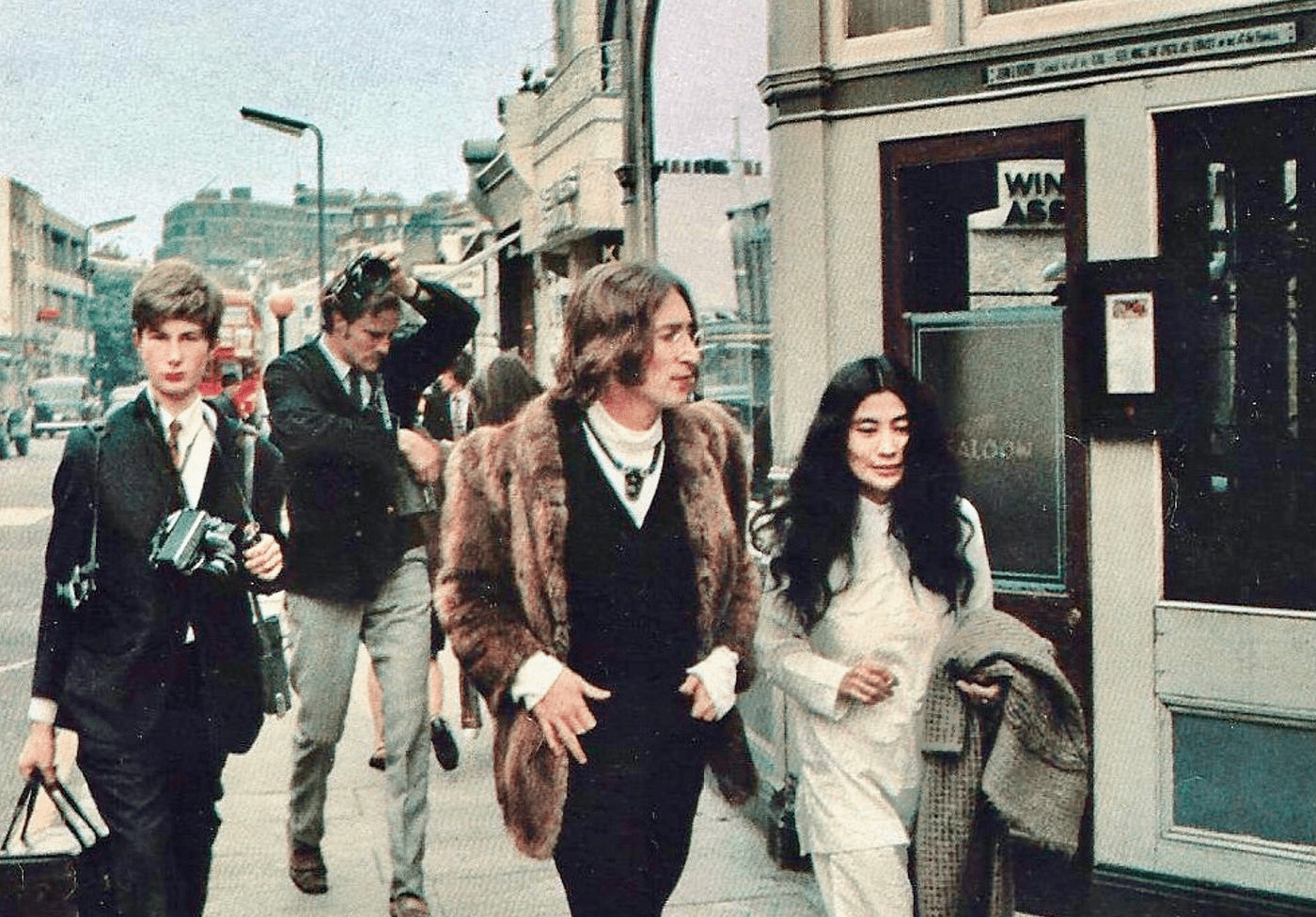
John Lennon and Yoko Ono on their way to the Apple Tailoring opening party, 1968