

In the UK, there’s a deep admiration for musicians who have shaped European culture and the arts over decades. Among them, violinist Tasmin Little holds a special place, widely regarded as one of the brightest stars of British classical music. Her career has become a true inspiration for countless people with musical ambitions.
While many violinists come and go, Tasmin Little has tirelessly promoted her talent, captivating audiences with her extensive repertoire. She has become a symbol of the modern British violin school, masterfully blending technical virtuosity with profound emotional depth. More on this story at londonski.
Early Life and Education
Born in London to actor George Little, Tasmin was immersed in a world of creativity and music from a young age. She started her musical journey at six, initially learning the flute. Growing up in North London, she attended the prestigious Yehudi Menuhin School, a renowned institution for gifted children founded by the legendary violinist himself. Her classmate there was none other than fellow violinist Nigel Kennedy.
In 1982, she was a finalist in the BBC Young Musician of the Year competition, which brought her early acclaim. She went on to study at the Guildhall School of Music and Drama, where she graduated with a diploma and, in 1986, was awarded the institution’s highest honour, the Gold Medal. It was at this point that the young musician realised she could build a professional career on the stage.
Little refined her violin skills under the guidance of expert tutors. These formative years were crucial in developing her unique, highly expressive, and technically flawless style.
A Remarkable Musical Career
Tasmin Little made her professional debut in 1988 with The Hallé. Throughout her career, she has performed with some of the world’s most distinguished orchestras, including the Royal Philharmonic, the London Symphony, the Royal Liverpool Philharmonic, and the New York Philharmonic. She particularly enjoyed working with Britain’s leading orchestras. A key moment in her career was her debut at the BBC Proms, one of the country’s most important music festivals.
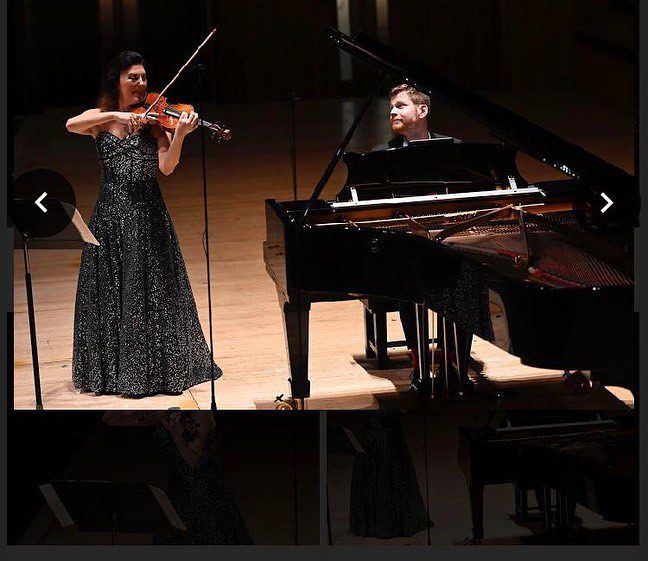
Little was a renowned expert on the works of composer Frederick Delius. In 2006, she served as the artistic director for an eight-day festival dedicated to his music, called “Delius Inspired.” She also created a documentary about Delius for BBC Two.
In 1996, Tasmin Little received an honorary degree from the University of Bradford, where the university’s Tasmin Little Music Centre was named in her honour. The violinist has recorded over 20 albums for labels like Chandos and Hyperion, with many of her recordings becoming bestsellers. Her recording of the Elgar concerto even won the Critics’ Choice at the 2011 Classic Brit Awards.
Little was known for recording and performing unjustly overlooked pieces from the British repertoire, as well as new compositions. She was a passionate advocate for classical music, ensuring it remained relevant to modern audiences. This drive led her to develop and implement strategies that increased the genre’s accessibility and attracted new listeners and composers. She created outreach programmes, performing in hospitals, prisons, and schools to show that music is for everyone.
In 2008, she launched a project called “The Naked Violin”—a free downloadable album featuring solo works by Bach, Pärt, and Ysaÿe. The goal was to make classical music accessible to a wider audience, and it was a massive success, with a quarter of a million downloads in the first six months. Her performing career soared once again, and she forged a partnership with Chandos Records. At a time when recording a series of CDs was challenging, Little went on to feature on seven additional albums of British concertos and various violin sonatas.
Retirement and Legacy
After decades dedicated to performing and her musical career, Tasmin Little began to feel that other aspects of her life and interests were being neglected. As she grew older, her technical skills also started to decline. Once she passed 50, she found herself questioning whether she wanted to continue performing. The decision was solidified after a finger injury in 2019—the most serious of her career. She couldn’t play for eight weeks, something that had never happened before. The desire to stop performing was further reinforced by the start of the COVID-19 pandemic.
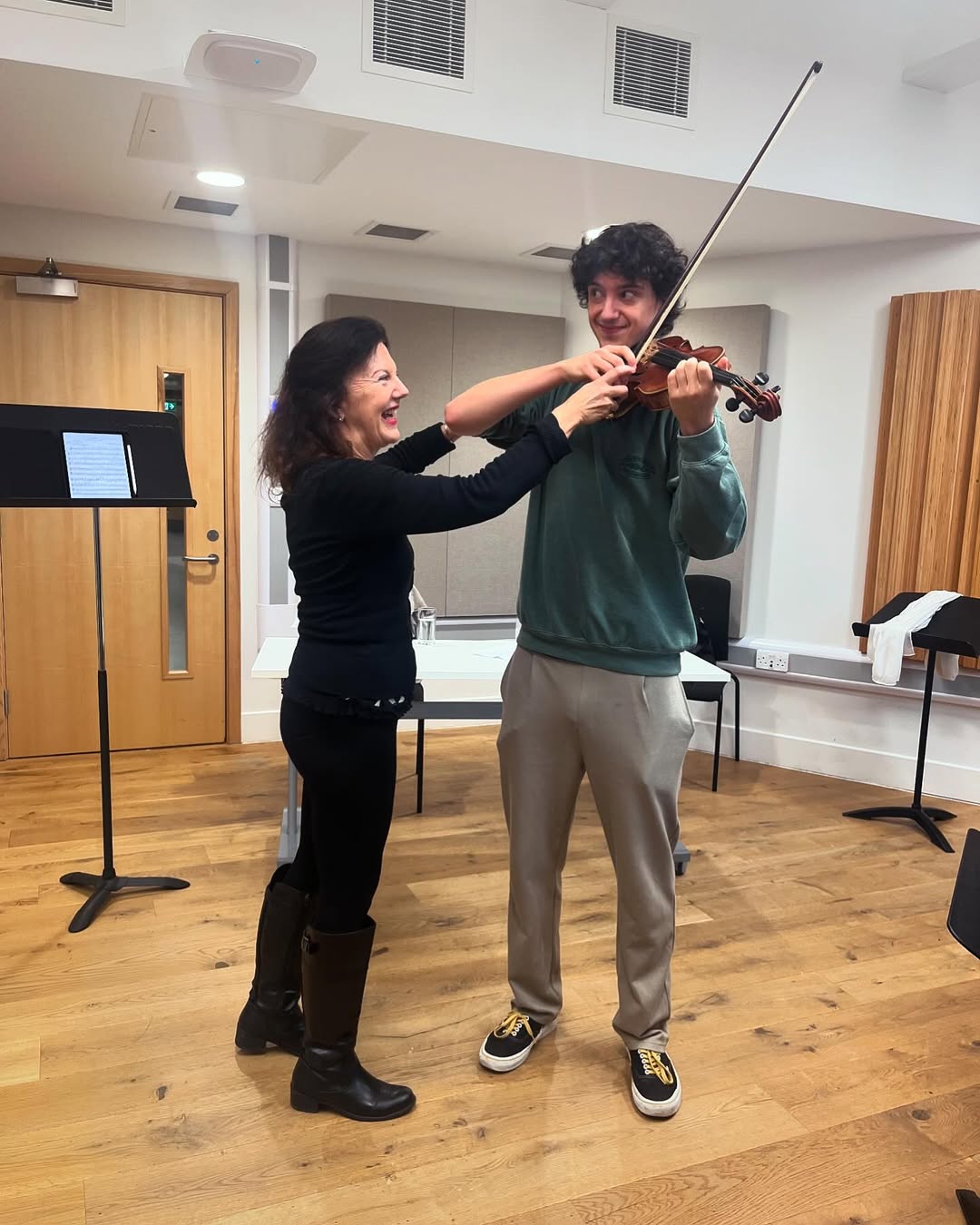
On 24 January 2020, Tasmin Little announced her retirement. She was happy with her decision and began to explore her other passions. She continued to give masterclasses to young musicians and expanded her collaboration with all of London’s major colleges and music schools, such as Chetham’s School of Music and the Purcell School. She has also been the co-director of the Menuhin School with Daniel Barenboim since 2019. In addition, she participates on judging panels for various competitions, including the Carl Nielsen Competition. Today, the violinist continues to inspire young musicians and uphold London’s classical music tradition. Her legacy isn’t just about her performances and recordings; it’s a cultural one, showing that classical music can be for everyone.
Tasmin Little is a testament to how talent and hard work can reshape society’s perception of art. She didn’t just play with virtuosity; she changed how people viewed classical music.