

In the aftermath of the Second World War, Great Britain saw a surging demand for new avenues of creative expression. At the time, modern artists found their opportunities stifled by galleries reluctant to deviate from traditional programming. The independent organisation Free Painters and Sculptors (FPS) played a pivotal role in championing these creators, ultimately shaping the trajectory of abstract art throughout the 1950s and 1960s. More at londonski.
The Origins and Evolution of Free Painters and Sculptors
During the mid-20th century, the Institute of Contemporary Arts (ICA) in London became a breeding ground for avant-garde ideas in the British art world. In 1952, several of its members founded the Painters Group from the ICA. Led by influential figures such as Roy Rasmussen, Lyall Watson, and Maurice Jadot, the group aimed to bring unrestricted styles and traditions to the public eye, highlighting the international creative scene.
In 1953, the renowned English art critic John Berger organised the group’s first public event. The exhibition featured 26 participants, including Denis Bowen, Graham Fry, Violet Fuller, and Rosalie de Meric. Rebranded as the Free Painters Group, the collective established a tradition of annual exhibitions. While their primary events were held at Walker’s Galleries, satellite shows appeared at the New Vision Centre and Drian Gallery, attracting a loyal following of dealers, critics, and the general public.
Despite their growing popularity, many mainstream institutions continued to shun modern visionaries, fearing poor sales and financial risk. However, with a burgeoning membership and audience, the Free Painters Group began staging exhibitions at the FBA Galleries in the early 1960s. By the end of 1961, the group boasted around 150 prominent members, including Frank Avray Wilson, Cliff Holden, and Jeannette Jackson. In 1965, the collective formalised its status as a registered charity under the name Free Painters and Sculptors.
The organisation soon began exhibiting regularly both at home and abroad. To emphasize the progressive nature of their work, member Doug Cipriani branded the annual shows “Trends in Modern Art.” Under the initiative of Nina Hosali, the group secured a permanent creative hub in 1972 at the Loggia Gallery and Sculpture Garden. From 1973, visitors could also follow their exhibitions at the Mall Galleries, a central venue for figurative and contemporary art.
The early 1980s brought fresh challenges for the FPS. While the commitment to their mission remained strong, several founding members reached retirement age, while others chose to move away from the London-centric art scene. In 1985, the Loggia Gallery hosted “The Early Years of the FPS” to introduce new members to the organisation’s heritage. Following a brief hiatus, a professional team revitalised the “Trends in Modern Art” series in 1987. By the early 1990s, they had also launched a new fellowship programme. In 2022, Free Painters and Sculptors celebrated its 70th anniversary.
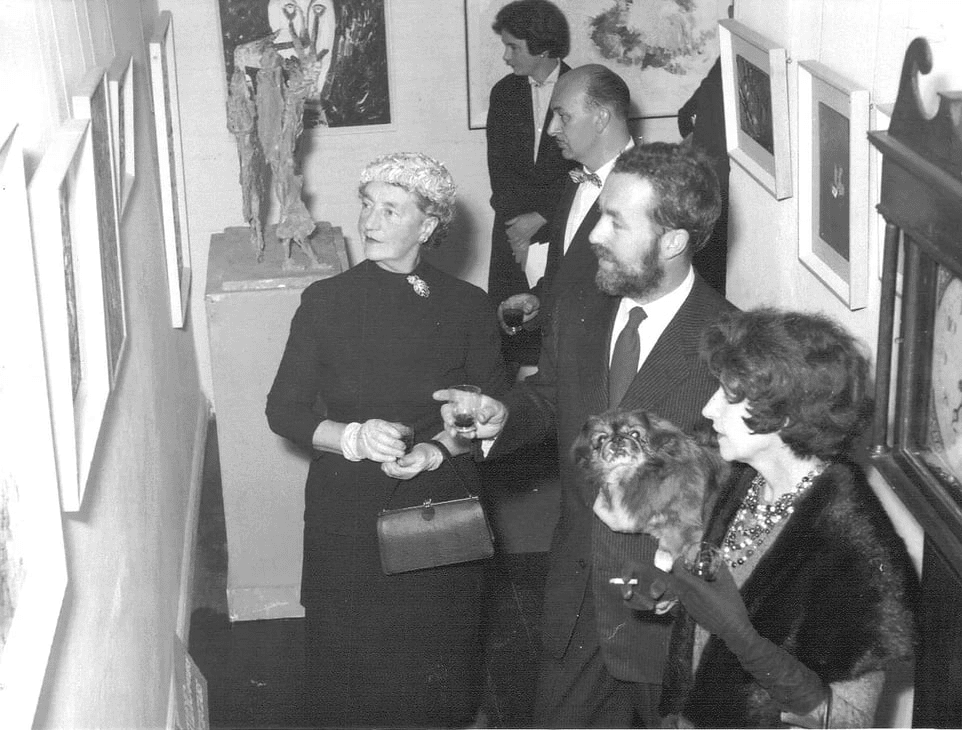
Free Painters and Sculptors
Recognition and Lasting Impact
For decades, Free Painters and Sculptors has provided a platform for artists and sculptors through its annual and specialised exhibitions. Notable figures associated with the group include Aubrey Williams, E.L.T. Mesens, Frank Avray Wilson, John Coplans, Leslie Marr, and Roy Turner Durrant. With over 40 active members and associates today, the organisation continues to foster collaboration and champion emerging talent.
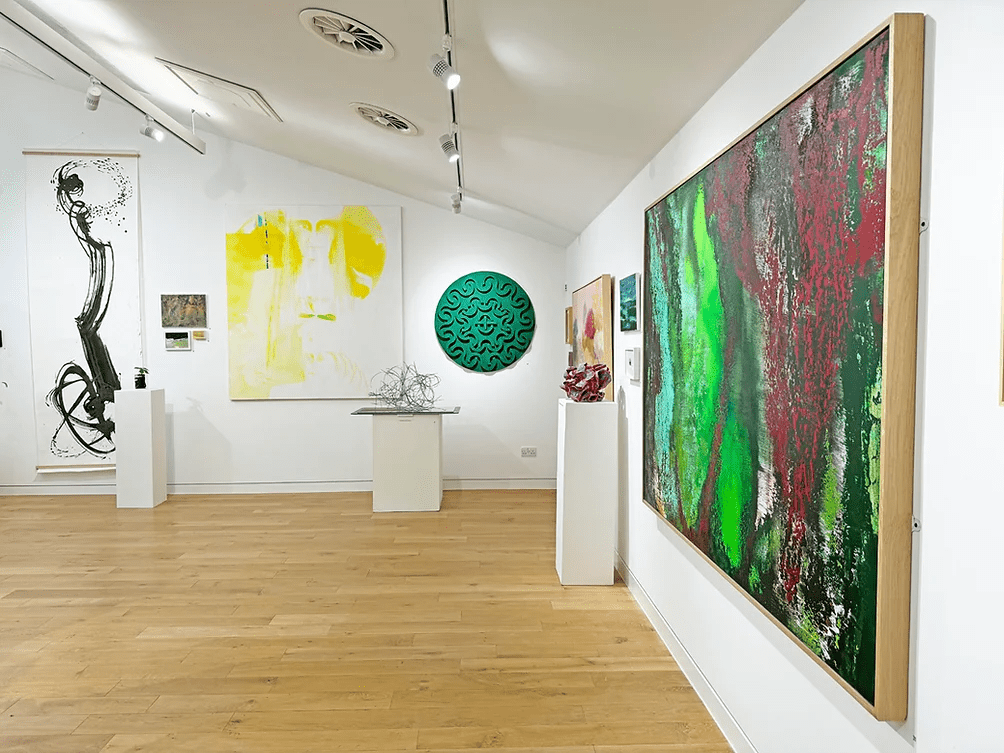
Free Painters and Sculptors