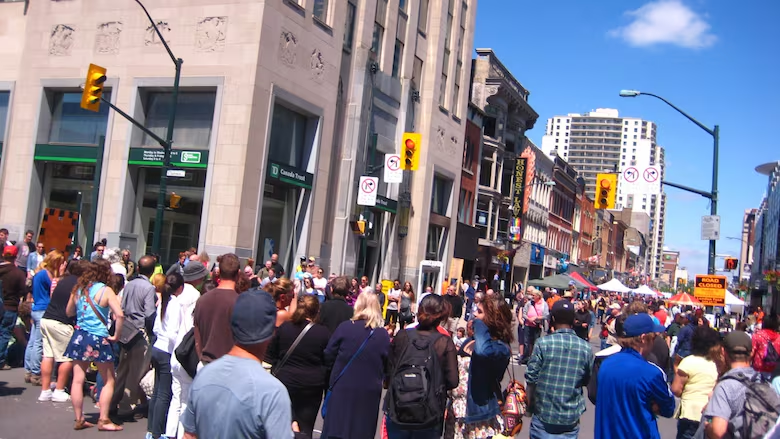
The London Festival Fringe emerged from a small, volunteer-led initiative near London Bridge. Founded in 2009, it brought together various genres and forms of art, enriching the capital’s already vibrant cultural scene. A key feature of the festival was its focus on accessibility: most tickets were either nominally priced or free, which made it possible to attract a wider audience beyond the Edinburgh Festival Fringe. Read more on londonski.
The Origin and Development of the London Festival Fringe
For decades, the Edinburgh Festival Fringe has held its status as one of the largest and most renowned arts festivals in the world. First held in 1947, it became a unique space for creative experimentation where new talents perform alongside established masters. Producers, agents, critics, and art lovers from around the globe flock here to discover new names and trends. The convenient infrastructure of Edinburgh also helps create an atmosphere where visitors can fully immerse themselves in the artistic whirlwind of the creative celebration.
Against the backdrop of this huge spectacle, London launched its own project in 2009: the London Festival Fringe. Initially, it was an initiative by local enthusiasts who wanted to bring life to the London Bridge area. For three weeks, the London Bridge Festival hosted over 30 events, from stand-up comedy and concerts to film screenings and theatre plays. The success of the event and the public’s interest encouraged the organisers to pursue a more ambitious idea: to scale the festival up to a city-wide event.
By 2010, the London Festival Fringe had united over 50 diverse performances, bringing together artists from all over the world. Its director, Greg Tallent, emphasised that London is a global arts hub capable of attracting the boldest and most avant-garde projects. This is exactly what made the festival unique: it became a platform where an audience could see comedy, drama, music, poetry readings, or a street show all in one evening.
In 2012, the London Festival Fringe tried to make an even bigger name for itself, essentially challenging the global authority of the Edinburgh Festival Fringe. With the Olympic Games taking place in London, the organisers had to combine the arts event with the huge sporting celebration. Representatives from leading theatres such as Jermyn Street in Mayfair, Almeida in Islington, and the Bush in Shepherd’s Bush were involved in the planning. The festival’s director, Greg Tallent, highlighted the democratic nature of the event: tickets had to be as affordable as possible, with most being free and only a few costing more than £15.
However, the London Festival Fringe struggled to maintain its lasting influence on fringe culture. For most artists, August was synonymous with Edinburgh. That’s where everyone wanted to perform, as it was considered a true mark of professional prestige. London’s venues served as a more accessible alternative, offering dynamic stages for those who could not afford to invest in the trip to Scotland. Some performers even combined both events, using their London performances as a sort of rehearsal before their main stage debut in Edinburgh.
The Legacy of the London Festival Fringe
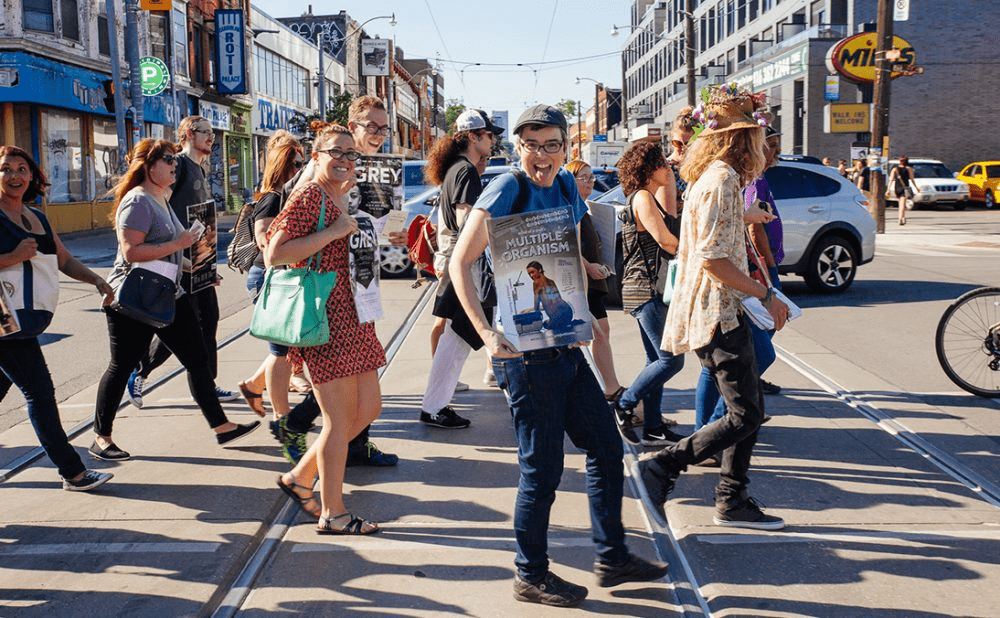
Despite its relatively short history, the London Festival Fringe has left its mark on the cultural life of the British capital. From just a few dozen events, it grew into a major forum that brought together theatre, music, film, stand-up, street performances, and other forms of contemporary art. The festival created opportunities for performers who could not always afford to participate in the expensive August Edinburgh Festival Fringe, becoming a platform for experimentation, rehearsals, and bold creative exploration. In addition, the low or non-existent ticket prices made the event accessible to a wider audience, which gave it a truly democratic character.