

His work in the romantic comedy genre has cemented London as a hub for cinematic stories. Richard Curtis is considered a cult figure in British cinema. His screenplays not only break box office records but also define the style of British romantic comedies. Read on to find out more from londonski.
Early Life and Career Beginnings
Richard Curtis was born in Wellington, New Zealand. As a child, his family lived in various countries, including Sweden and the Philippines, before they settled in the UK when he was 11. Curtis was educated in Ascot, then in Warrington, where he attended Appleton School. Later, he won a scholarship to Harrow School. There, he joined the editorial team for “The Harrovian”—the weekly school magazine—where he honed his skills as a sketch writer. He wrote comments, reviews, and humorous articles, coming up with original stories. He also directed the school play, Joe Orton’s “Erpingham’s Camp”.
The young man earned a first-class Bachelor of Arts degree in English Language and Literature from Christ Church, Oxford. At Oxford University, he met and began working with Rowan Atkinson after they both joined the writing team for the “Etceteras revue”. He appeared in the troupe’s “After Eights” show at The Oxford Playhouse in May 1976.
Working with Rowan Atkinson, Richard Curtis performed with him in the popular Edinburgh Fringe show. Together, they wrote the BBC Radio series “The Atkinson People” in 1978, which aired in 1979. He also began writing comedy for television and film, as well as satirical sketches for shows. They also created the iconic series “Blackadder,” which established him as a master of satire and dialogue.
Cinematic Breakthrough
The success of his previous work gave Richard Curtis the confidence to play with comedic genres. Towards the end of the 1980s, LWT asked him to write a family comedy series. In response, he created three silent comedies with various actors, which offered a modern take on the Charlie Chaplin era. He also showcased his abilities in the comedy “Mr. Bean”. With very little dialogue, few cultural references, and no mention of time, the series is accessible to any audience.
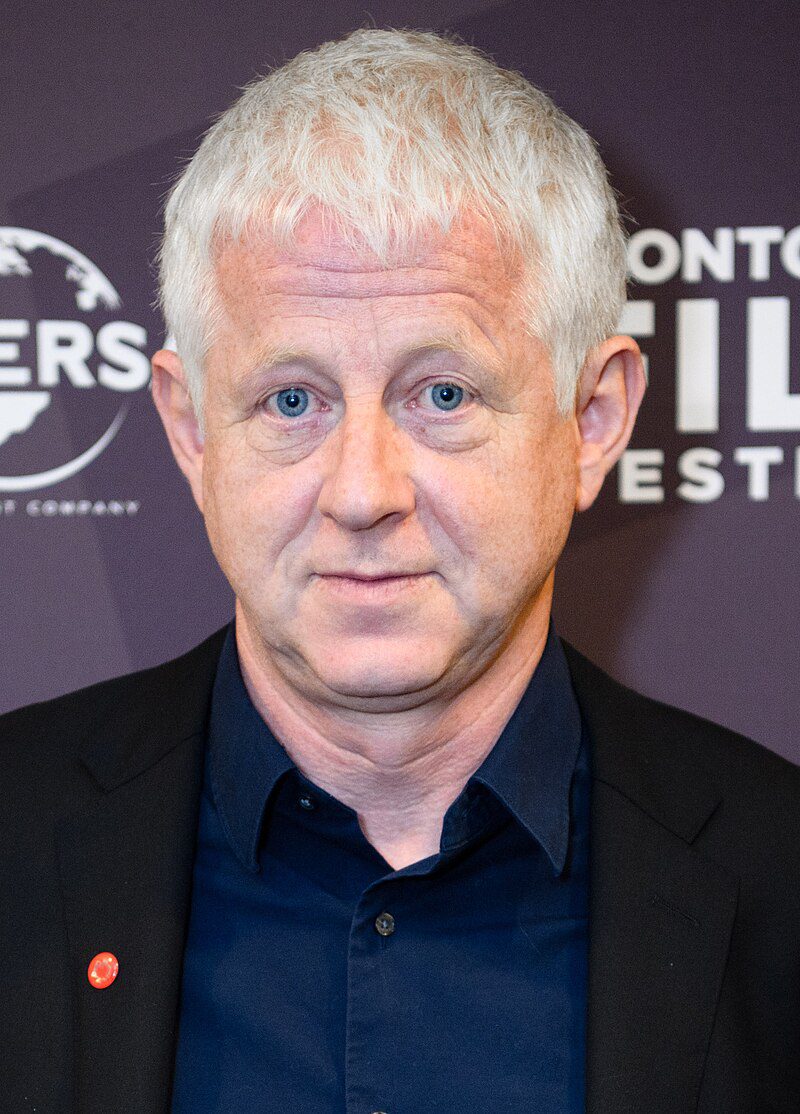
The year 1994 was a landmark in Richard Curtis’s career, as the British film industry was looking to match Hollywood glamour. That year marked his transition to the big screen with the film Four Weddings and a Funeral. He wrote the screenplay about London life and his friends’ weddings in his London flat, and the film itself was shot in and around London. It’s worth noting that the film grossed $144 million on a budget of just a few million. Hugh Grant, who was cast after 70 auditions, added a special charm to the film. The movie was nominated for an Oscar for Best Screenplay.
Such success cemented Richard Curtis’s reputation as a true specialist in the genre. His film Notting Hill presented London as the most romantic city, where a bookseller falls in love with a movie star. The film grossed $363 million and proved that British screenwriters and directors could be serious rivals to Hollywood. Then, in 2003, Curtis made his directorial debut with Love Actually. This wonderful film tells nine different love stories in London. The movie became a Christmas classic, grossing $247 million.
Richard Curtis’s ability to rethink his approach to his work is particularly noteworthy. He has publicly acknowledged his unsuccessful jokes about weight and the lack of diversity in his films. For someone who serves as an example to others, this public self-criticism is considered a significant contribution to the development of the film industry.
Social Work and Philanthropy
Richard Curtis has always combined his work with charity. As a founder of Comic Relief, he used film to highlight various social issues. For example, his film “The Girl in the Café” raised awareness about global poverty, and his short films for Red Nose Day have raised millions for those in need. Of course, cinema that promotes good is better received by audiences and sets an example.
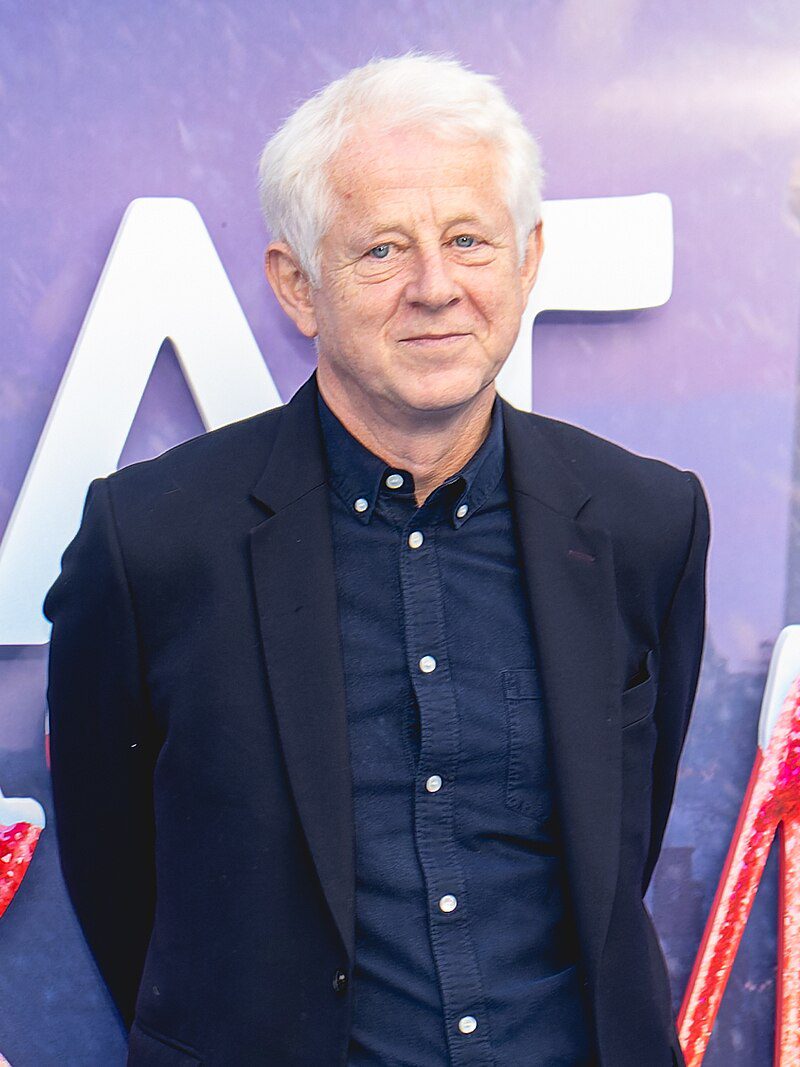
Curtis also founded the Make Poverty History campaign and, with Bob Geldof, organised the Live 8 concerts, addressing poverty and calling on G8 leaders to work towards its eradication. In 2014, he founded Project Everyone and, working with the UN, helped launch and promote the Sustainable Development Goals—ambitious tasks to eradicate poverty, injustice, and inequality, as well as combat climate change by 2030. In 2021, he joined the Rewriting Extinction campaign, which aims to combat the climate crisis through comics. Collaborating with War and Peas, he wrote the comic story “Woke”. It was published in the book “The Most Important Comic Book on Earth: Stories to Save the World”, which was released on 28 October 2021. In 2004, Richard Curtis received a BAFTA award for his outstanding contribution to film and television.
Thus, Richard Curtis remains one of the most influential screenwriters of his generation. He is a trailblazer and a pioneer of modern culture. His repertoire of British comedies remains a cornerstone of cultural identity. The film producer’s screenplays have shaped the genre’s standards, from emotional dialogue to London charm.