

The field of law in London has an incredible history. This path began with the establishment of general principles, continued with significant systematization in the 16th century, and carries on today, with new trends constantly shaping the sphere. Throughout history, London has boasted famous legal figures. At the end of the 16th century, one of the brightest personalities in the justice system was Edward Coke, back when a cohesive system was just beginning to form. Later, the number of distinguished advocates, judges, and lawyers grew even larger. Perhaps the most interesting period in the development of this field was the 20th century. Technological progress, new social movements, and constant change inspired people to pursue self-realization and create a unique kind of public spectacle. It was in this environment that Patrick Hastings got the chance to showcase his skill. Read on at londonski.
The Reason for His Name and a Dislike for School
If you’ve always imagined legal professionals as respectable people with perfect life stories, model families, and impeccable educations, then Patrick Hastings shatters many of those stereotypes. He was born on March 17, 1880, in London. This date is also the key to understanding his name: the future barrister was born on St. Patrick’s Day and was named accordingly.
It might seem that his background (his father was a solicitor) and his parents’ desire to give him an excellent education would have paved his way to a legal career from a young age. However, events from his childhood and youth changed the situation. First, Patrick hated school. He initially attended a private preparatory school, and his parents later had enough money to send him to Charterhouse School in 1894. However, he disliked both places immensely. Furthermore, he often faced bullying and failed to achieve any success in either academics or sports. Second, Patrick’s father faced serious financial problems, forcing the children and their mother to move to continental Europe in 1896. During their time abroad, Patrick Hastings and his brother learned to fish and ride horses. However, they also frequently found themselves in trouble, facing accusations of breaking the law.
Career Success
The idea of becoming a barrister came to the young man at the beginning of the 20th century. Before that, he had already worked in the mining industry and completed his military service. In 1901, Patrick Hastings was admitted to the Middle Temple. However, a significant amount of money was needed to sit for the bar exams. Patrick began working in journalism. It was only in 1904 that he managed to save up £100 (he even had to buy his wig and gown on credit), and soon after, his luck began to turn. But he did not become famous overnight…
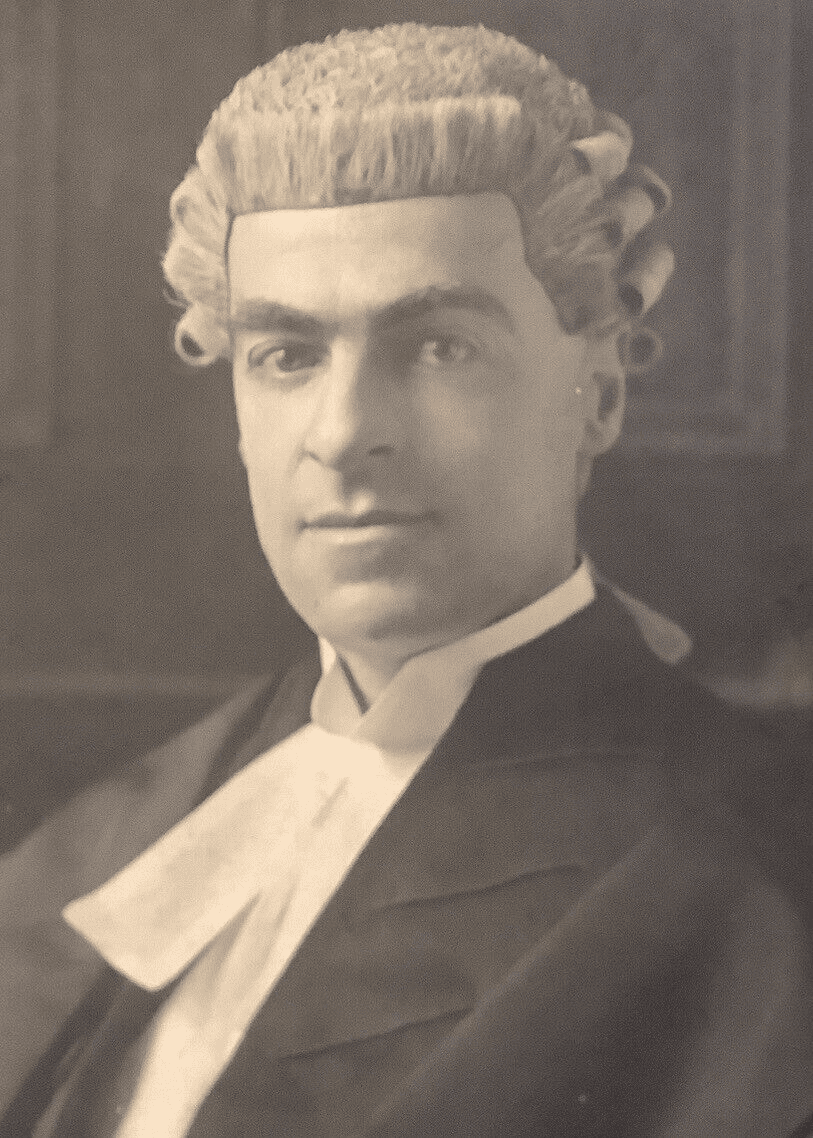
His first success as a barrister came with the “Case of the Hooded Man” in 1912. It was then that he first demonstrated his mastery of cross-examination. Patrick gained incredible popularity after his success in Gruban v Booth, a case where businessman John Gruban sued politician Frederick Handel Booth, who had fraudulently seized control of Gruban’s company under the guise of helping it expand. The barrister’s skillful work led to Booth being declared a fraud and Gruban being awarded £4,750 in damages. Two years later, Patrick Hastings became a King’s Counsel, and he later held the position of Attorney General for England and Wales. He also built a successful political career as a Labour Member of Parliament. In total, he had a string of successful cases to his name, such as Sievier v Wootton or Russell v Russell. His journey became a shining example of achieving true success through personal effort and skill.