

Uzbekistan, with its population of 36 million, has witnessed a remarkable evolution onto the global stage. Embracing international trade, tourism, and foreign investments, the nation has departed from its former closed, authoritarian regime.
Shavkat Mirziyoyev’s assumption of the presidency in 2016 marked the genesis of a new era, initiating reforms that propelled Uzbekistan into an open, dynamic economy. His recent re-election until 2030, securing an overwhelming 87 percent of the vote, solidifies his pivotal role in this transformative journey.
Shavkat Mirziyoyev’s Vision: An Architect of Change
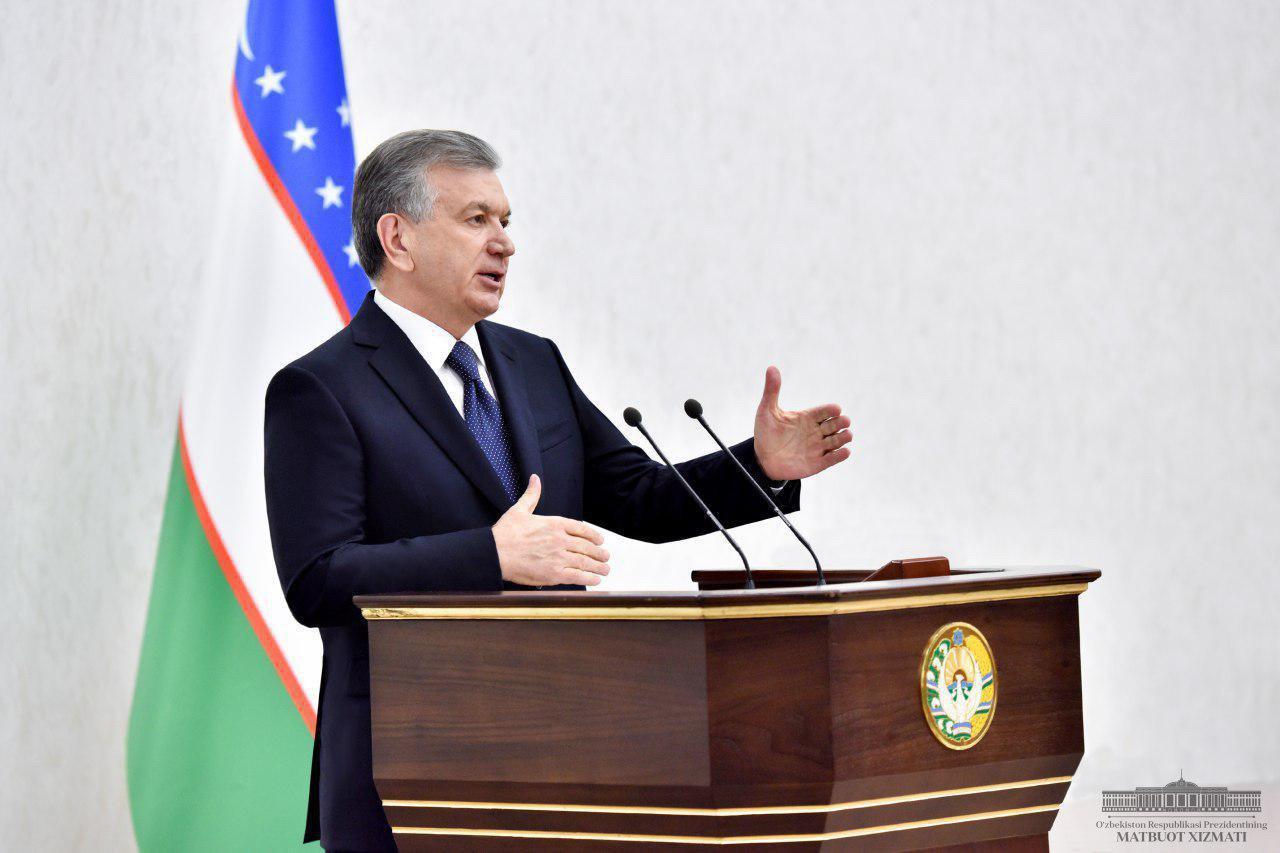
Born in 1957 into a family of medical professionals, Shavkat Mirziyoyev’s trajectory towards the presidency was shaped by his education in irrigation and agricultural mechanization. His diverse administrative background equipped him to understand Uzbekistan’s economic intricacies. Assuming office in 2016, Mirziyoyev swiftly initiated far-reaching reforms.
Economic Renaissance through Foreign Investments
Mirziyoyev’s emphasis on attracting foreign investments and privatizing state-owned assets aimed to revitalize Uzbekistan’s economy. Germany emerged as a pivotal European partner, channeling over $2.5 billion in investments into the country in recent years. Approximately 200 German-affiliated companies, including industry giants like MAN, CLAAS, Knauf, and Falk Porsche Fiberglass, now operate in Uzbekistan.
Revolutionizing Global Trade Dynamics
Historically known for exporting commodities such as cotton, uranium, gold, fruits, and vegetables, Uzbekistan underwent a significant transformation in trade dynamics. Mirziyoyev’s reforms abolished forced labor practices in cotton fields and encouraged private and foreign investments in the textile industry. Germany, as Uzbekistan’s largest European trading partner, witnessed bilateral trade volumes reaching $1.2 billion last year, with a substantial $929 million in the first half of this year.
Pioneering Sustainable Energy Initiatives
To reduce reliance on fossil fuels and modernize the economy, Mirziyoyev aimed to increase renewable energy’s share in Uzbekistan’s energy mix to 40 percent by 2030. Collaborating with European, Chinese, and Middle Eastern partners, Uzbekistan initiated numerous solar and wind power installations, signaling a significant shift towards sustainable energy sources.
Uzbekistan’s Vision for Development
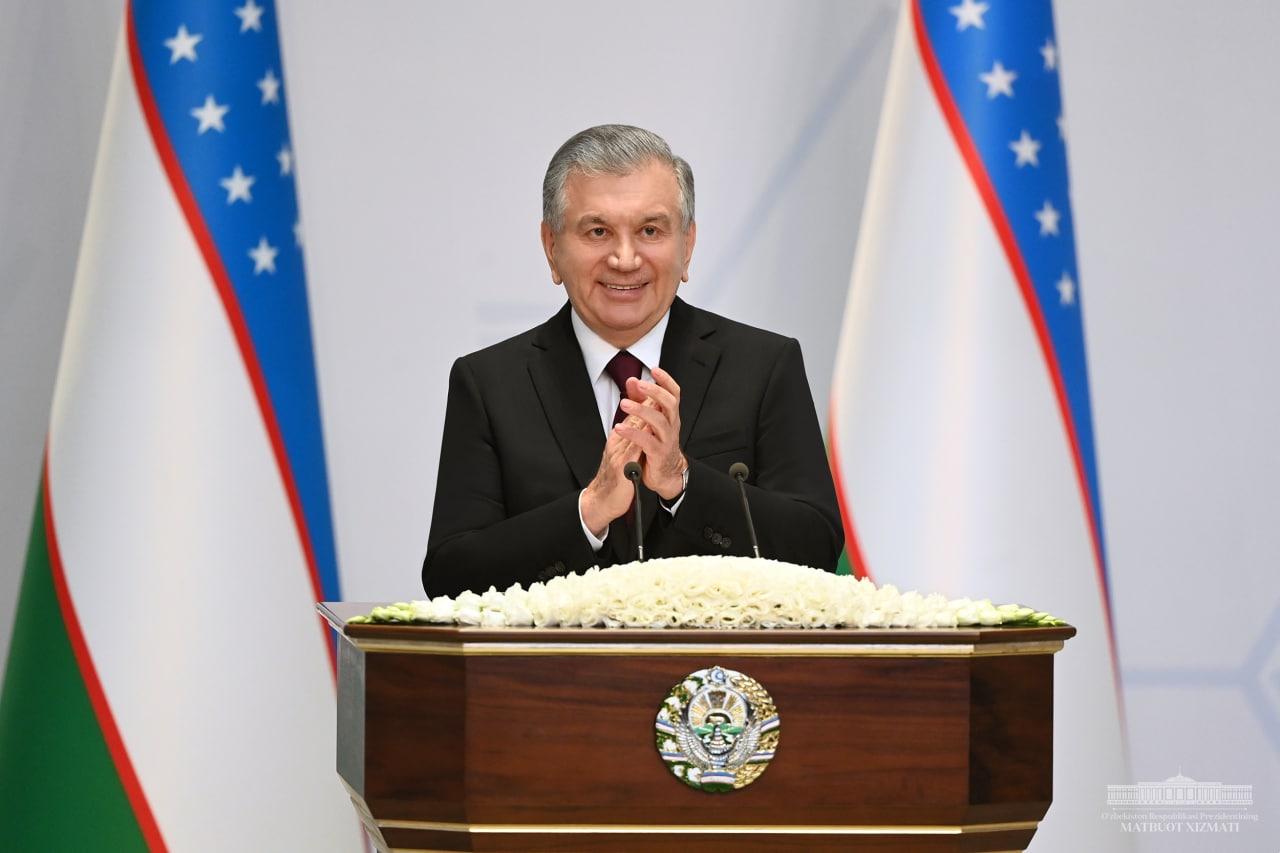
Mirziyoyev’s endorsement of Uzbekistan 2030—a comprehensive development strategy crafted collaboratively with ministries, parliamentarians, and experts—outlined ambitious targets. These encompass doubling the GDP by 2030, augmenting exports, improving education and healthcare, and raising citizens’ incomes above the global average. Uzbekistan aims to attract $110 billion in foreign investments, with Germany as a committed partner.
Shavkat Mirziyoyev’s astute leadership has positioned Uzbekistan as a dynamic and progressive nation, poised for substantial growth and global recognition through openness, foreign investments, and sustainable development.